How to Get a New License Plate, and How Long It Takes
You might need new plates because you bought a car, moved to a new state, lost a plate, or just want a different number. The process is short in every case, but the forms, fees and wait differ. Here's how to get a new license plate in each situation, how long plates take to arrive, and what you can drive on in the meantime.
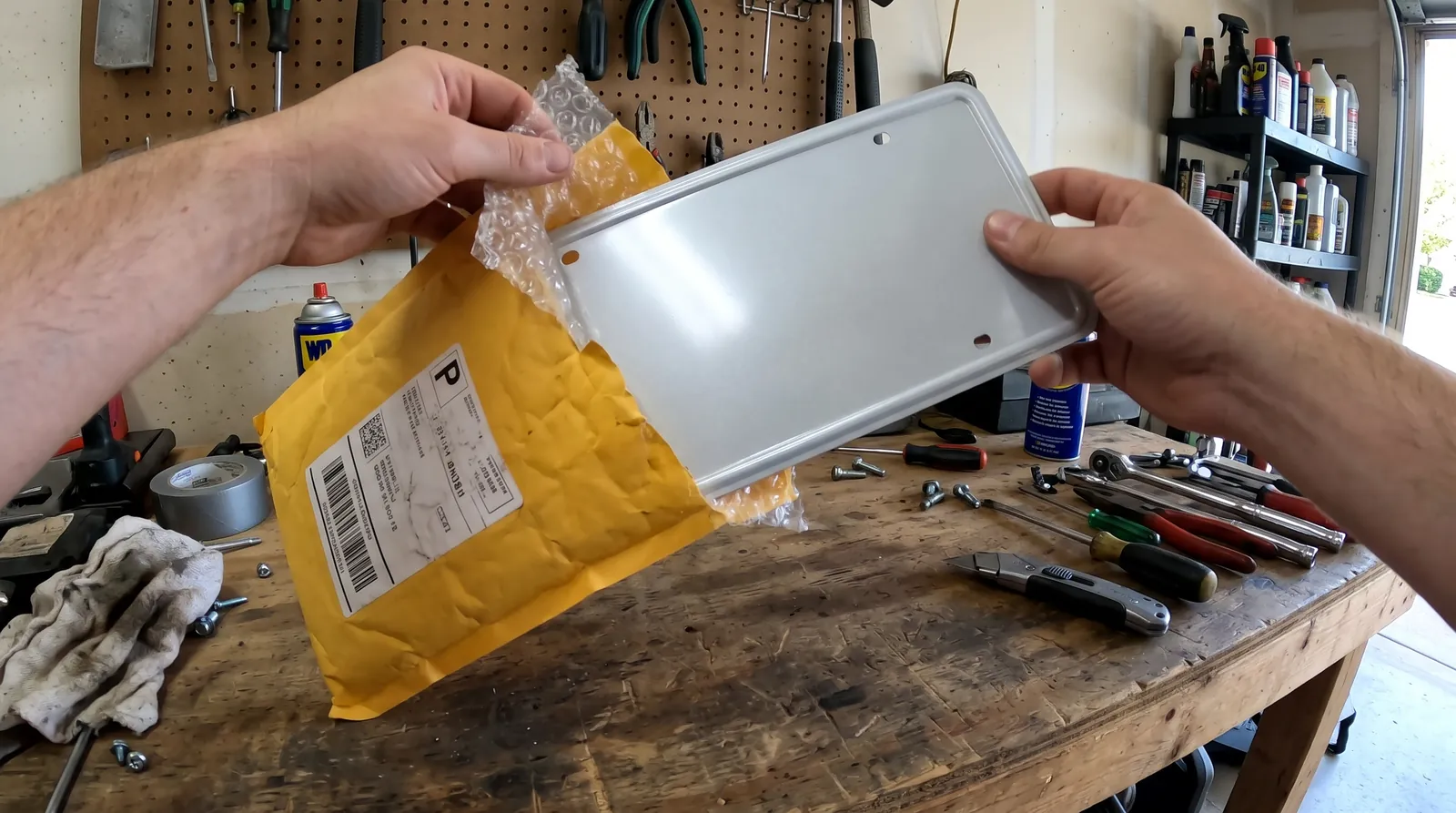
New plates come from your state's motor vehicle agency when you register a car, replace a lost or damaged plate, or order a new number. In person, standard plates are often handed over on the spot; by mail they can take a few weeks, and personalized plates longer. Until they arrive, drive only on a valid temporary tag or permit.
When you need new plates
- You bought a car and your state's plates stay with the seller, or the car came from another state.
- You moved and are registering the car in your new state.
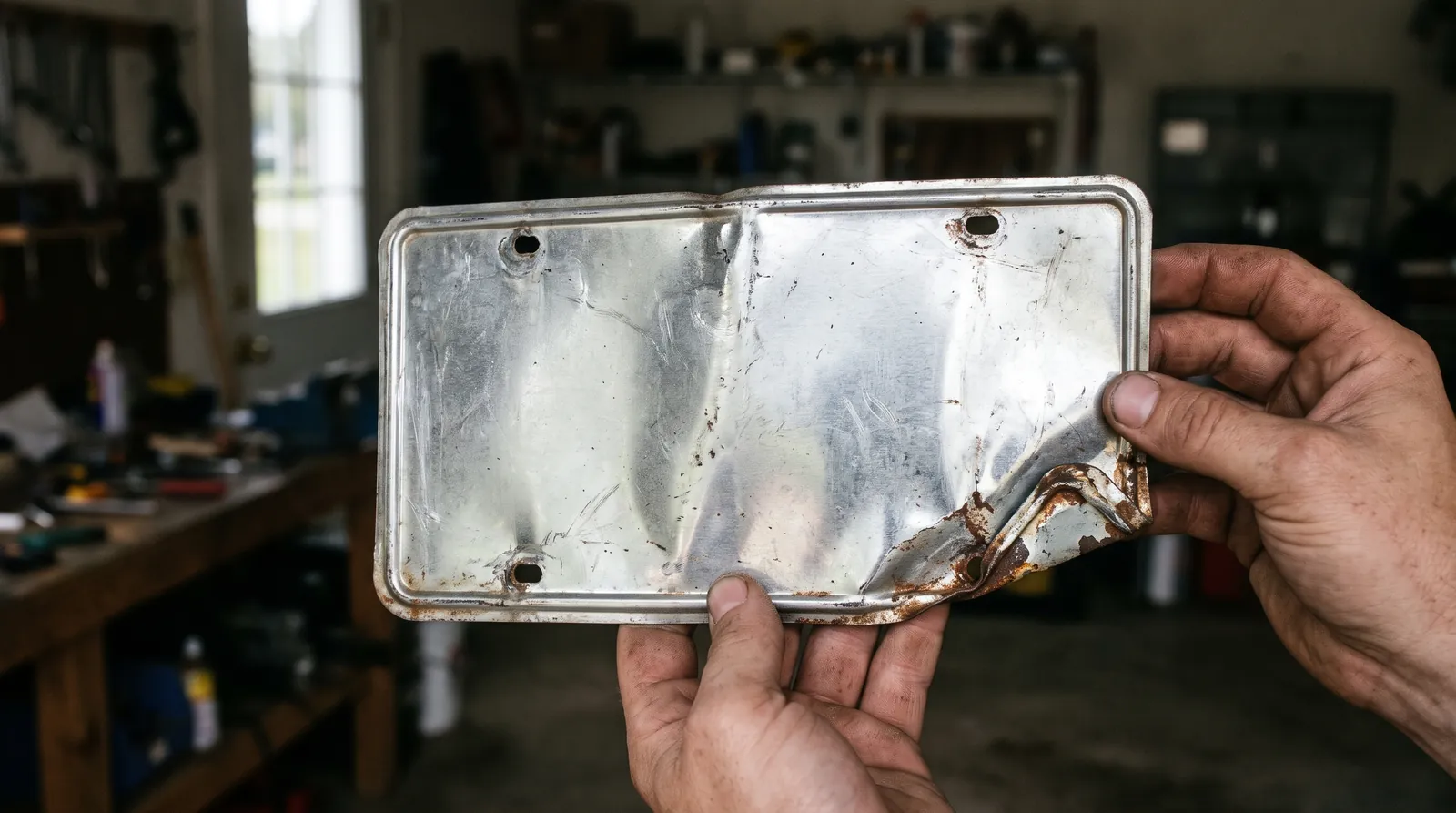
- A plate was lost, stolen or damaged, or it's faded so badly a camera can't read it.
- You want a different plate, such as a personalized, specialty or redesigned standard plate.
Each one goes through the same agency, but the paperwork differs a little, so the sections below take them one at a time.
How to get a new license plate after buying a car
In most states, plates are issued when you register the car. Bring the signed title, proof of insurance, your ID and the fees to the motor vehicle office (or the county or agent office your state uses), and you'll leave with plates and a sticker, or a temporary tag if the plates are mailed. Our car registration checklist covers the documents in detail.
Whether you need new plates at all depends on your state. In many states, plates belong to the owner and stay with the seller, so a buyer always gets new ones. In others, such as California, plates generally stay with the car. If you're keeping your old plates from a car you've sold, you can often move them to the new car for a transfer fee instead of buying new ones; Illinois, for example, charges $25 to transfer plates.
Replacing lost, stolen or damaged plates
- If a plate was stolen, report it to the police first. A report protects you if the plate turns up on another car, and some agencies ask for the report number.
- Apply to your state's agency for replacements. Most use a short form, and some let you apply online.
- Return any plates and stickers you still have, if your state asks.
- Pay the fee, usually small.
- Put the new plates on and update your insurer, since the plate number on your policy has changed.
Texas: form VTR-60
Texas uses the Application for Replacement License Plates, form VTR-60, filed with your county tax assessor-collector. The fee is $6 plus a 50-cent automation fee, $6.50 in total, and the county may waive it in some cases. On the form you certify that you've returned any current plates and stickers you still have, and you agree not to use the old plates if they're recovered. Texas no longer replaces plates automatically every seven years, but you can still request replacements when a plate is hard to read. In person, you may not even need the form; the county can work from your VIN or plate number and ID.
California: form REG 156
California handles replacement plates, stickers and documents on form REG 156, by mail or at a DMV office, and lets eligible owners request replacement stickers and registration cards online. The DMV mails online replacements within 14 days to the address on record, so update your address before you apply.
How long does it take to get license plates?
It depends on how you apply and what kind of plate you want:
- Standard plates in person: often immediate. Michigan's Secretary of State usually hands over a plate, a tab and the registration at the office visit, and Washington gives you plates right away when you register in person.
- Standard plates by mail: a few weeks. Washington says plates for mailed applications may take up to 3 weeks from when it receives the application.
- Replacement stickers and cards: California mails online replacements within 14 days.
- Personalized and specialty plates: longer, because they're made to order. Expect several weeks, and keep driving on your current plates or a temporary tag until they arrive.
If your new plates are taking longer than your state says, check that the agency has your current mailing address, then call; plates returned as undeliverable can sit in a mailroom for weeks.
Can I drive a car I just bought without plates?
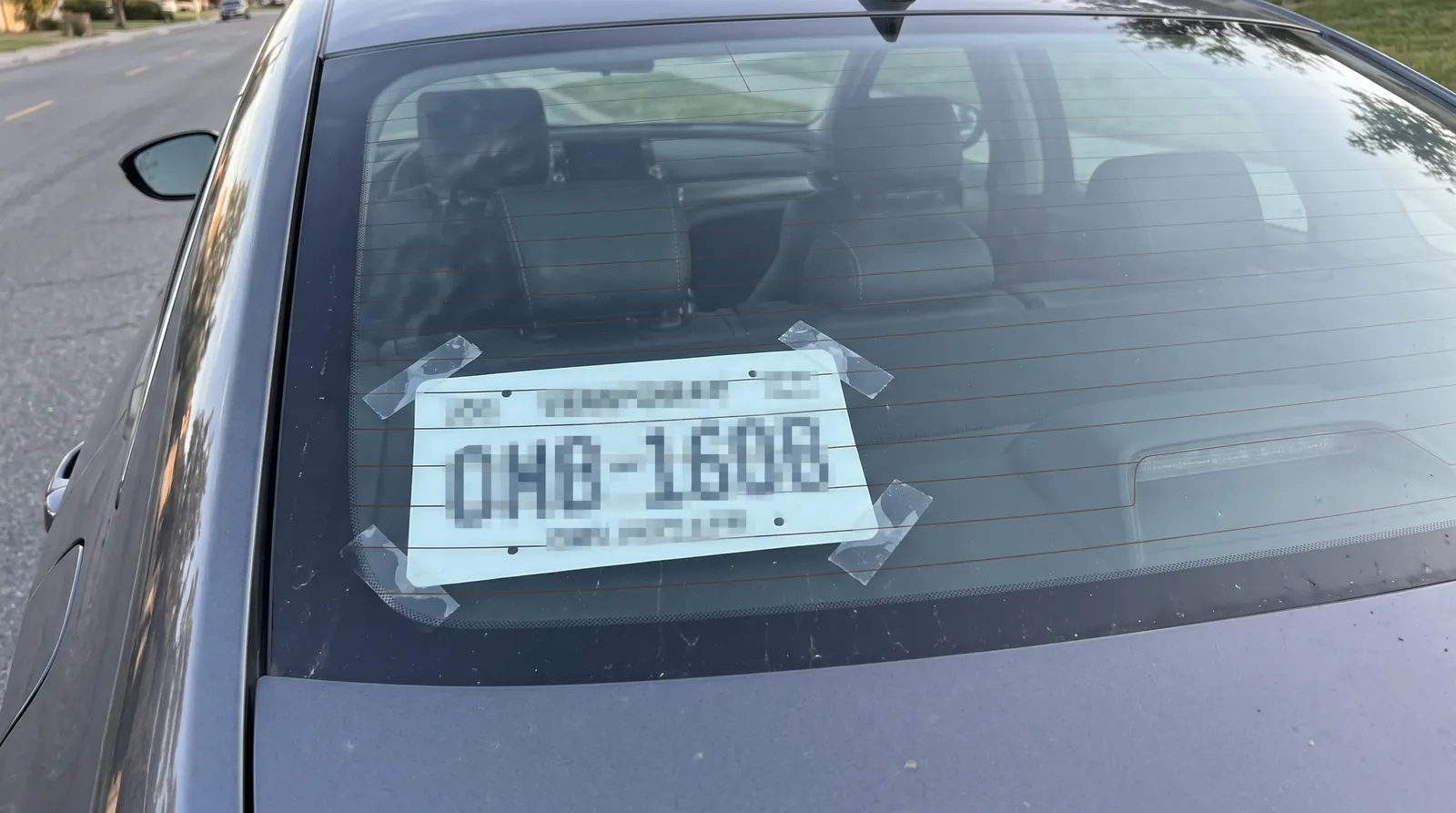
Only legally if you have something that stands in for them: a temporary tag or permit, and insurance. Dealers issue temporary tags routinely. After a private sale, the answer depends on the state; some issue temporary permits to buyers, and some give you a short window to drive straight to registration. Don't drive on the seller's plates unless your state specifically allows it, because in most states those plates belong to the seller, and any ticket or toll goes to them. If you're not sure, ask your agency before you drive, or have the car towed or transported.
How to change your license plate number
You can usually change your plate number simply by ordering new plates. Choose a new standard plate or a personalized one, pay the fee, and the state updates your registration to the new number; you'll typically surrender or return the old plates. Personalized plates need an available combination within the state's character limits, and most states let you check availability online first. Our custom plate designer previews text and links to each state's lookup.
After the change, update the new number with your insurer, any toll account, parking permits and the apps that know your plate, or you may be billed for tolls on a plate you no longer have.
When states issue new DMV plates on their own
When new plates come, our guide on how to put on a license plate covers mounting them. Sometimes new DMV plates arrive without you asking. States redesign their standard plate every so often, and some replace older plates on a schedule because the reflective coating wears out and cameras and officers can't read them. Others have dropped automatic replacement: Texas, for instance, no longer swaps plates every seven years and replaces them only on request. If your state introduces a new design, you usually get it when your current plates are next replaced, and keeping the old design is allowed as long as the plates are legible.
A plate that's peeling, cracked or faded to the point of being hard to read is worth replacing even if nobody has asked you to. Unreadable plates can earn a ticket, and they cause trouble with toll cameras that bill by plate.
Ordering a personalized plate, step by step
- Check the character limits for your vehicle type; car plates usually allow up to seven characters, motorcycles fewer.
- Check availability on your state's plate lookup before you get attached to an idea.
- Apply and pay the personalized plate fee, usually on top of your normal registration.
- Wait for approval and manufacture, which can take several weeks; some states review every request for offensive content.
- Swap the plates when they arrive and return the old ones if your state asks.
A new license plate in SC
South Carolina has two quirks worth knowing. First, a new plate after buying a car needs a paid property tax receipt in the new owner's name, so the county comes before SCDMV. Second, plates don't transfer between owners. If you want a fresh look, SCDMV began issuing a new standard plate marking the 250th anniversary of the Revolution in 2026, at no extra cost over standard fees, and owners with an online account can replace lost plates online.
Applying online: "register my plate"
Many states now handle plate business online: renewals almost everywhere, and in some states replacement plates, plate transfers and personalized plate orders too. The online form is usually called something like "replace plates," "order plates" or a license plate application, and it asks for the plate number, part of the VIN and your ID. If a state's online service won't take your request, it's usually because something on the record has to be checked in person, such as an address change or a lien.
What to do with your old plates
The rules vary. Some states want old plates returned or surrendered, Texas among them for replacements; others let you keep them, or recycle them, once they're no longer valid. Never put an old plate on another car or leave it on a car you've sold. If you're done with plates after a sale, check whether your state wants them returned, transferred or kept; our guide on what to do with license plates after selling a car covers six states in detail.
New license plate FAQ
How long does it take to get license plates?
Often no time at all: many offices hand over standard plates at the counter, as Michigan and Washington do for in-person visits. By mail, expect a few weeks; Washington says mailed applications can take up to 3 weeks. Personalized and specialty plates usually take longer because they're made to order.
How do I replace a lost or damaged license plate?
Apply to your state's motor vehicle agency, usually with a short form and a small fee. In Texas it's form VTR-60 at the county tax office for $6.50; report stolen plates to the police first.
Can I drive a car I just bought without plates?
Only with a valid temporary tag or permit and insurance. Dealers usually issue a temporary tag; after a private sale, ask your state what permit it offers before driving the car.
Can I change my license plate number?
Yes, by ordering new standard plates or a personalized plate from your state and paying the fee. Your registration is updated to the new number, and you'll usually need to return or surrender the old plates.
Sources
- TxDMV: License plates and form VTR-60
- California DMV: Replacement plates and stickers
- Washington DOL: Vehicle registration and plates
- Michigan Secretary of State: New residents
- SCDMV: New Revolutionary War plate and titles and registration
This guide is general information. Your state's motor vehicle agency sets plate rules, fees and timing.