What Is a Car Tag? Tag vs Plate vs Registration
A car tag is your license plate. The word is everyday speech across much of the South, and some agencies use it on their own forms. But "tag" also gets used for the sticker on the plate and even for the registration itself, which is where the confusion starts. Here's what each term means, where to find your tag number, and what to know before ordering a cool plate or a blank one.
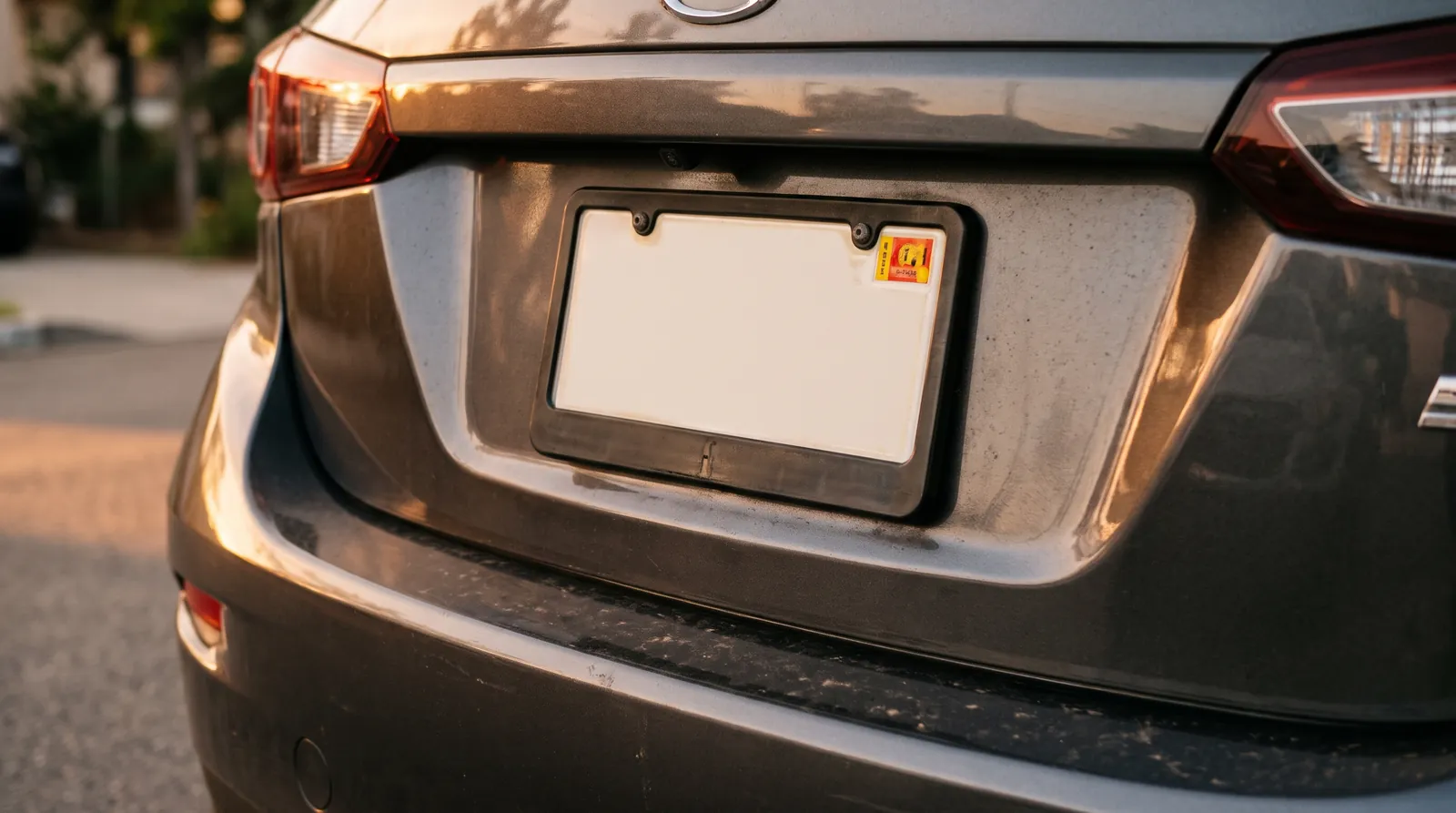
A car tag is the metal license plate on your vehicle, and your tag number is the plate number. The registration is the state's record that lets the car on the road; the tag and its sticker are how that registration is shown.
What is a tag on a car?
When someone in Georgia says they're going to the tag office, they mean the County Tag Office, where plates and registrations are handled. Marylanders say tag for plate too, which is why a Maryland plate lookup is usually searched as a "tag lookup." Alabama, Louisiana and Oklahoma talk about tags as well, and Pennsylvania's own record forms ask for the "tag number." Elsewhere, people say plate, license plate or number plate, but they're all describing the same thing.
The word comes from the early days of motoring, when a registration number was literally a tag hung on the car. Today a car tag is a stamped or printed plate, issued by the state, that ties the vehicle to its registration record.
Tag, plate, sticker, registration: what each one is
| Term | What it is | Where it lives |
|---|---|---|
| Tag or plate | The metal plate with your plate number | On the back of the car, and the front in two-plate states |
| Sticker, decal or tab | Proof the registration is current, showing its expiration | On the plate or the windshield |
| Registration | The state's record that the car may be driven, renewed regularly | The agency's system, plus a card or digital record you carry |
| Title | Proof of who owns the car | A paper or electronic certificate, kept at home |
So when someone says their tags expired, they almost always mean the registration expired and the sticker on the tag is out of date. The plate itself rarely expires; the registration behind it does.
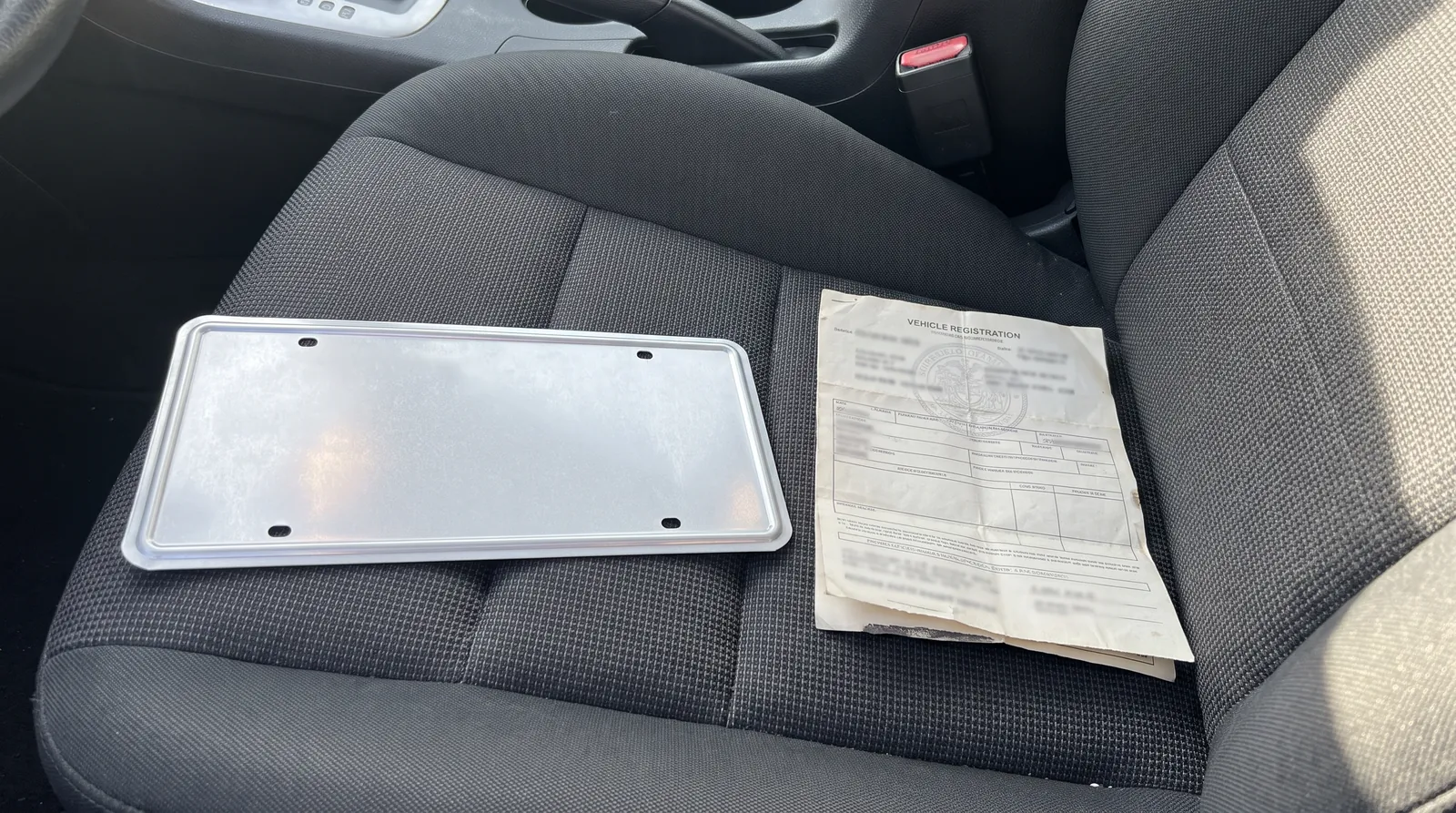
What is the tag number of a car?
The tag number is the plate number: the letters and numbers on the front of the plate. You'll find it in three places:
- On the plate itself.
- On your registration card, where it's labeled plate number, tag number or license number depending on the state; our guide to the vehicle registration card explains every line.
- On your insurance card or in your insurer's app, for many companies.
Don't confuse it with the VIN, the 17-character number that identifies the vehicle itself, or with the title number. The tag number can change when you get new plates; the VIN never does. If a form asks for the tag number on your vehicle registration, copy the plate number exactly, including any letters, and leave out the spaces or dashes printed on the plate unless the form shows them.
Are tags and registration the same thing?
No, though they're renewed together in most states. The registration is permission to drive the car on public roads, and it expires on a schedule: every year in many states, every two years in others. The tag and its sticker are the visible proof. When you renew, the state updates its record, and you get a new sticker, or in some states nothing physical at all. Our registration renewal finder links to every state's official renewal page, which is what "renewing your tags" really means.
The sticker on the tag
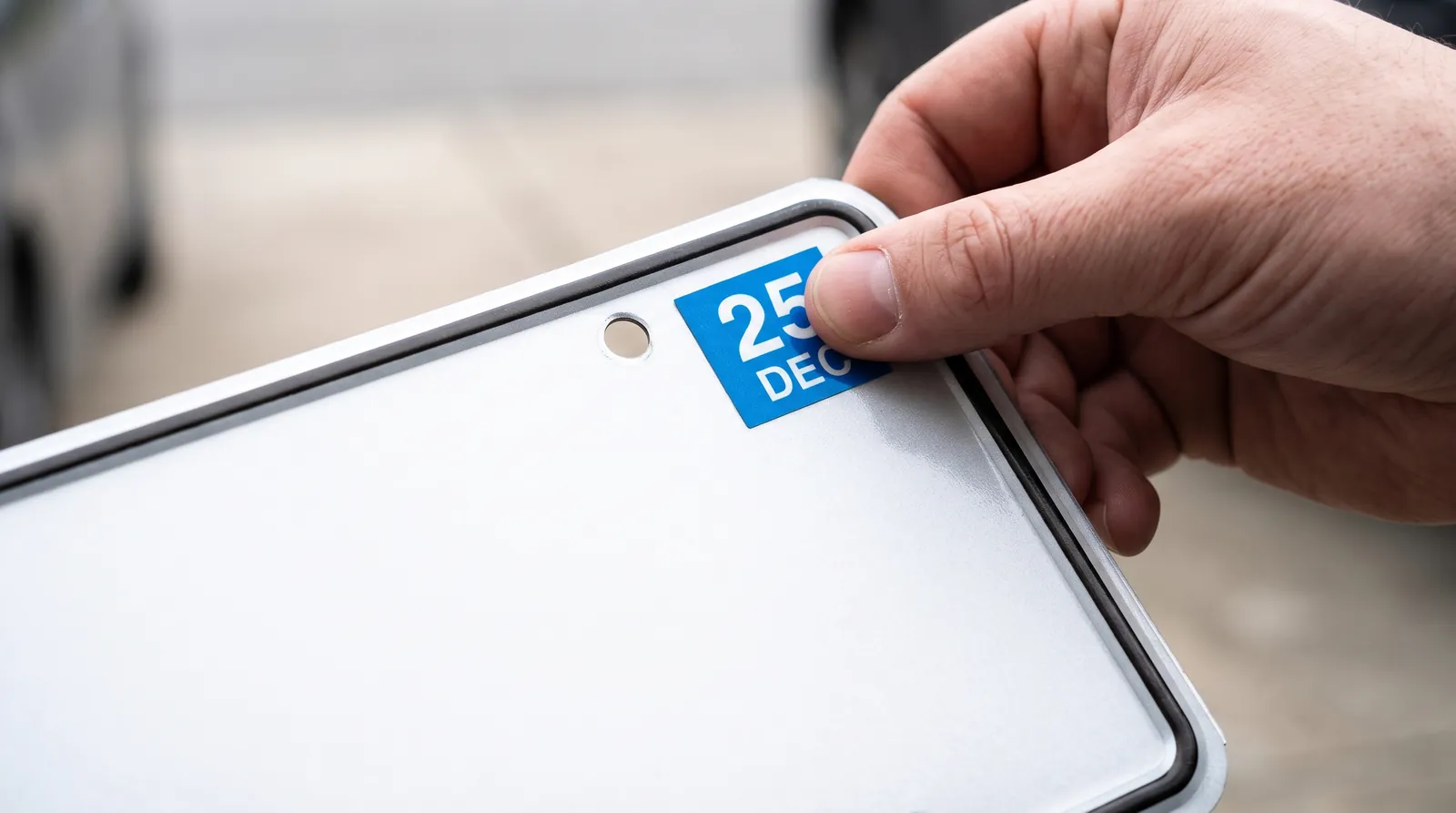
Most states print the month and year of expiration on a small sticker that goes on a corner of the rear plate, though a few put it on the windshield and others have dropped stickers for most vehicles. The color often changes each year, so an officer can spot an old one from a distance. If a sticker is lost or stolen, your state's agency can replace it, usually for a small fee. Our guide to where to get a license plate sticker covers placement and replacements state by state.
What you pay for a car tag
The price of a tag is really several charges bundled together. There's the registration fee itself, which may depend on the vehicle's weight, age, value or fuel type. There may be a one-time plate fee when new plates are issued, and an extra yearly fee for a specialty or personalized design. Some states add local charges: South Carolina, for instance, won't issue a plate until the county property tax is paid, and Georgia collects title fees and taxes through its County Tag Offices. That's why two neighbors with different cars can pay very different amounts for what looks like the same tag.
What happens to your tag when you sell or move
It depends on the state. In many states the plates belong to the owner, so the seller takes them off before the buyer drives away and can move them to the next car; Wisconsin, Illinois and New Jersey work this way. In others, such as California, plates generally stay with the vehicle. When you move to a new state, you'll get that state's tags once you register there, and the old state may ask you to return or cancel its plates. Check your own state's rule before a sale, because leaving your plates on a car you've sold can leave you answering for its tolls and tickets.
Lost, stolen or damaged tags
If a plate is stolen, report it to the police first, then apply to your state's agency for replacements; a police report number usually speeds things up and protects you if the plate turns up on another car. If a plate is bent, faded or peeling, most states replace it for a small fee, and some replace plates on a schedule because the reflective coating wears out. A missing sticker is replaced the same way. Until the replacement arrives, keep your registration card and any receipt in the car.
Temporary tags
When you buy a car, you may drive away on a temporary tag: a paper or cardboard plate, usually issued by the dealer, that's valid for a set number of days while the permanent plates are made or the registration is processed. Treat its expiration date seriously; driving on an expired temporary tag is treated the same as driving unregistered in most states. If you bought privately, ask your state's agency what temporary permit it offers before you drive the car anywhere.
Cool car tag names and vanity ideas
If you're choosing a personalized plate, a few rules decide what's possible before taste comes in:
- Length: most states allow up to seven characters on a car plate, fewer on motorcycles, and some fewer on specialty designs.
- Characters: letters, numbers and sometimes a space or a single symbol. Many states won't allow combinations that look like another plate class.
- Content: every state rejects offensive or misleading plates, and some review each request by hand.
- Availability: the combination has to be free. Most states let you check online before you pay.
Cool license plate ideas tend to fall into a few families: shortened words with numbers standing in for letters (like 2 for "to" and 8 for "ate"), a hobby or job, the car's own name, or an inside joke that still reads when it's only seven characters. Say it out loud before you order it; good car tag names are the ones people get on the first read. Our custom plate designer previews your text on a plate, suggests shorter versions when it's too long, and links to each state's availability check.
Cool car license plate names: a quick test
Before you commit, check three things: that it fits your state's character limit, that it can't be read as something you didn't intend, and that it still makes sense to someone who doesn't know you. If it passes all three, it's probably a good one.
Blank car tags and license plates
Blank car tags, plain aluminum plates with no characters, are sold for crafts, signs, garage decor and custom front plates. They're legal to own and decorate. What you can't do is put one on the car in place of the plate your state issued, or over it. In a rear-only state, a decorated blank plate on the front bumper is usually fine; in a two-plate state, the official front plate has to be there. Our front plate guide lists which states are which.
Looking up a car tag
A tag number on its own doesn't tell you who owns the car, and a free car tag lookup that promises the owner's name, in Oklahoma or any other state, can't legally deliver it. The federal Driver's Privacy Protection Act keeps owner details private except for permitted uses such as insurance claims and court cases. Our license plate lookup guide explains what each state releases and how to request it when you qualify.
Car tag FAQ
What is a tag on a car?
A car tag is the license plate. In much of the South and in states such as Maryland, Georgia, Alabama and Oklahoma, tag is the everyday word for the plate, and sometimes for the registration sticker on it.
What is the tag number on a car?
It's the plate number: the letters and numbers on your license plate. It's printed on your registration card as the plate or tag number, and it isn't the same as the VIN.
Are tags and registration the same thing?
Not quite. The registration is the state's record that the car may be driven on public roads; the tag is the plate (and sticker) that shows it. People say they need to renew their tags when they mean renewing the registration.
Can I put a blank car tag on my car?
Not in place of a real plate. Blank tags are for crafts, decoration or a front novelty plate in states that don't require a front plate. The plate the state issued has to be displayed wherever the law requires one.
Sources
- Georgia Department of Revenue: Motor vehicles and County Tag Offices
- Maryland MVA
- Driver's Privacy Protection Act overview
- Plate and vanity rules for each state: see the sources on our custom plate designer page.
This guide is general information. Your state's motor vehicle agency decides plate rules, fees and vanity limits.