How Long Does It Take to Get a Car Title? Transfers, Mail and Payoffs
You've bought the car, paid the fees and signed every form. Now you're checking the mailbox. How long does it take to get a car title? It depends on your state, on whether there's a loan, and on how you applied. This guide gives realistic timelines for each situation, explains what slows a title down, and tells you what to do if yours seems lost.

From the same day to about six weeks. Some offices print titles on the spot; mailed titles usually take two to six weeks. A loan payoff adds the lender's release time, and a missing signature or lien can add weeks more. If nothing has arrived after the state's stated window, check the status before reapplying.
Why "how long" has two answers
There are really two clocks. The first is how long the transfer itself takes: the time from the sale to the moment the state accepts your paperwork. That part is mostly in your hands. The second is how long the state takes to produce and mail the new title, which you can't control as much. When people ask how long a title transfer takes, they often mean both together.
Counting both, the fastest case is a buyer who walks into a county office the day after a sale, with every document right, in a state that prints titles at the counter: done the same day. The slowest is a mailed application with a mistake, a lien no one released, and a title that goes to the wrong address. That can stretch to months.
How long does it take to get a car title, state by state?
States rarely publish a single number, but several give clear guidance:
| State | What the agency says |
|---|---|
| Florida | County tax collectors offer a fast title, printed on site the same day, for an extra $10 on top of the regular fees |
| Ohio | Titles come from county Clerk of Courts title offices, not the BMV, and many print them while you wait |
| New York | The title can take up to 45 days to arrive by mail; contact the DMV if it hasn't arrived within 90 days |
| Texas | Dealers must file the title within 30 days of the sale, or 45 days if the dealer finances the car |
Outside the counter-print states, two to six weeks is a reasonable expectation for a mailed title. End-of-month and end-of-year rushes, holidays and staffing problems can push it longer. Our title transfer finder links to each state's title page, where many agencies post current processing times.
How long does a title transfer take?
The paperwork side is quick if you're prepared. At a counter, a complete transfer usually takes one visit. By mail, add the postal time both ways plus the agency's queue. Here's what you can control:
- The seller's part. A title signed in the right places, with the odometer reading and any lien release, is the single biggest factor. Our guide on where to sign a title covers it.
- Your application. Use the current form, fill in every field and sign it.
- Fees and tax. Know what you owe. A wrong check amount means the packet comes back.
- Extra steps. Out-of-state cars may need a VIN inspection, and some states need an emissions or safety check first.
So how long does it take for a title transfer to be accepted? Same day at a counter if everything is right, or one to three weeks by mail. The new title then follows on the state's usual schedule.
Deadlines on your side
Most states give buyers a deadline to file the transfer after a sale, and late fees start after that. TxDMV tells private buyers to complete the transfer within 30 days of the sale or face penalties, and many states use a similar window. How long does it take to transfer a title is partly up to you, so file early rather than waiting until the deadline.

How long does it take to get a title in the mail?
Once the state approves your application, it prints and mails the title. New York explains this well: titles are printed first and mailed later, so the print date and the mail date can differ, and the whole process can take several weeks. Its guidance is to allow up to 45 days and to contact the DMV if the title hasn't arrived after 90.
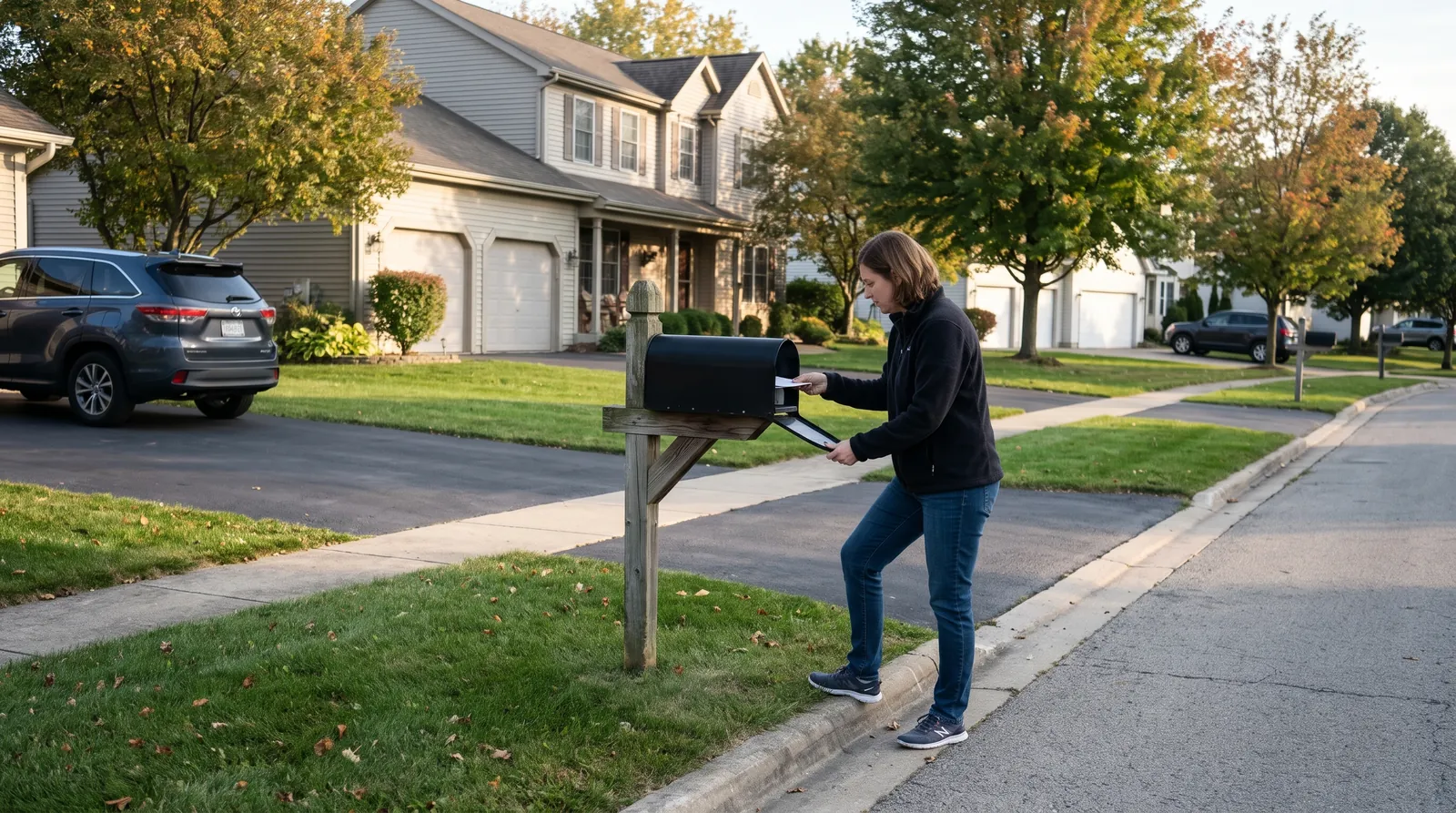
A few things decide when it reaches you:
- Where it's printed. Many states print titles centrally, not at the office you visited.
- The address on file. The title goes to the address on your application or your record, not necessarily where you live now.
- A lien. If there's a loan, the title usually goes to the lender, or stays electronic, instead of to you.
- Mail delays. Titles are often sent by regular mail, not tracked delivery.
If you've moved recently, update your address with the agency before you apply. Our guide to your registration card explains which documents carry your address.
Private sale, family transfer or move: which is fastest?
How long a car title transfer takes also depends on the kind of transfer. A private sale between two people in the same state is usually the simplest: one title, two signatures, one application. A gift or a transfer between family members takes about the same time, though you may need an extra form to claim a tax exemption, and that form has to be right too. Inherited cars are slower, since the agency wants estate paperwork, and a court order or bonded title can add weeks or months before the application is even accepted.
Moving to a new state sits in the middle. The paperwork is familiar, but the new state may need a VIN inspection, and if a lender holds your out-of-state title, the new state has to request it from the lender before it can issue its own. Ask your lender how long it takes to send a title to another state; that step often sets the pace more than the agency does. Our guide on buying a vehicle from out of state covers the rest.
Buying from a dealer
When you buy from a dealer, the dealer handles the title and registration (our guide on whether the dealership registers your car covers the details), and you won't see the title at all if you financed the car. The lender gets it. Dealers in most states have a fixed time to file; in Texas it's 30 days from the sale, or 45 if the dealer finances. If that deadline passes without your registration, TxDMV lets you file a complaint against the dealer, and other states have similar processes. Keep your temporary tag's expiry date in mind: if it's close and you have nothing, call the dealer the same day.
How long to get a title after paying off a car
This is a common wait, and the clock starts with the lender, not the state. After your final payment, the lender has to release its lien. Florida requires lienholders to do that within 10 days of final payment, and many states set similar deadlines. What happens next depends on how the title is held:
- Paper title held by the lender. The lender signs the release on the title, or sends a separate release letter, and mails it to you. You may then apply for a clean title without the lien.
- Electronic title. The lender releases the lien electronically. In Florida and many other states, the title stays electronic until you ask for a paper copy, so you may need to request one, by mail or at a counter, before anything arrives.
In practice, a few weeks from payoff to a paper title in your hands is common. If a month passes with nothing, call the lender first and ask how and when it released the lien. Then check with the state. Many lost post-payoff titles turn out to be sitting at an old address.
How long does it take to receive a title replacement?
Duplicate titles follow the same pattern: same day at some counters, a few weeks by mail. Some states make you wait a short period between duplicates or after a recent transfer, so check before applying. If a title was lost in the mail, several states waive the replacement fee if you report it quickly. Our guide on replacing a lost car title has the forms and fees.
What slows a title down
- Missing signatures or wrong lines. The most common reason a title application comes back.
- An unreleased lien. The state won't issue a clean title over a lien no one has released.
- Mismatched names or VINs. A typo in the VIN or a name spelled differently stops the process until it's fixed.
- Out-of-state paperwork. If the old state's title has a brand, a lien or an error, the new state may contact the old one first.
- Inspections. A VIN inspection or emissions test that hasn't been done.
- Unpaid fees or tax. Even a small shortfall holds the application.
Each of these can add weeks. The cheapest way to speed up a title is to get them right the first time.
How to get a title faster
- Apply in person where your state prints titles at the counter. Florida's fast title is the clearest example.
- Book an appointment if your agency offers them; same-day slots often open in the morning.
- Bring everything. The original title, ID, the application, a lien release if there was a loan, and payment.
- Check the VIN on every document before you go. Our VIN decoder helps catch typos.
- Ask about electronic titles. In some states an electronic title is available sooner than a paper one.
Can you drive or sell while you wait?
Usually you can drive, as long as the car is registered and insured. Most states issue registration at the same time as the title application, so your plates and registration card come long before the title. Selling is harder: you generally can't sign over a title you don't have yet. If you need to sell soon after buying, wait for the title or ask your state whether it allows a transfer before the title is issued.
If your title never arrives
- Check the status online or by phone, if your state offers it. New York, for example, has a title status check.
- Confirm the mailing address the agency used.
- Ask whether it was sent to a lender or kept as an electronic title.
- If it was mailed and lost, apply for a duplicate. Report it soon, since some fee waivers only apply for a short time after the issue date.
Title timing FAQ
How long does it take to get a car title?
Anywhere from the same day to about six weeks after you apply, depending on the state. Some offices print titles at the counter, such as Florida's fast title service or many Ohio county title offices. Mailed titles usually take a few weeks; New York says up to 45 days.
How long does a title transfer take?
Filing the transfer takes one visit or one mailing. The new title then arrives on the state's normal schedule. Most states also give buyers a deadline to file, often 30 days, after which late fees apply.
How long does it take to get a title after paying off a car?
Usually a few weeks. The lender has to release the lien first; Florida, for example, requires lienholders to act within 10 days of final payment. Electronic titles may then need you to request a paper copy.
What if my title never arrives?
Check the status with the state, confirm the mailing address, and ask whether it was sent to a lender. If it was mailed and lost, request a duplicate; some states waive the fee if you report it soon after the issue date.
Sources
- New York DMV: Check title or lien status
- FLHSMV: Fees and Lien Satisfaction form (HSMV 82260)
- Ohio BMV: Vehicle titles
- TxDMV: FAQs
This guide is general information. Processing times change; your state's motor vehicle agency has the current figures.