Why Is Registering a Car So Expensive? What's Inside the Bill
You open the renewal notice and the number is bigger than you expected, maybe much bigger than a friend pays in another state. Why is registering a car so expensive? Usually because the "registration" bill is really several charges bundled together: a basic fee, often a tax on the car's value, weight or plate fees, local add-ons, and sometimes a fee aimed at electric cars. This guide breaks down what's in a typical bill, why it varies so much, and what you can do about it.
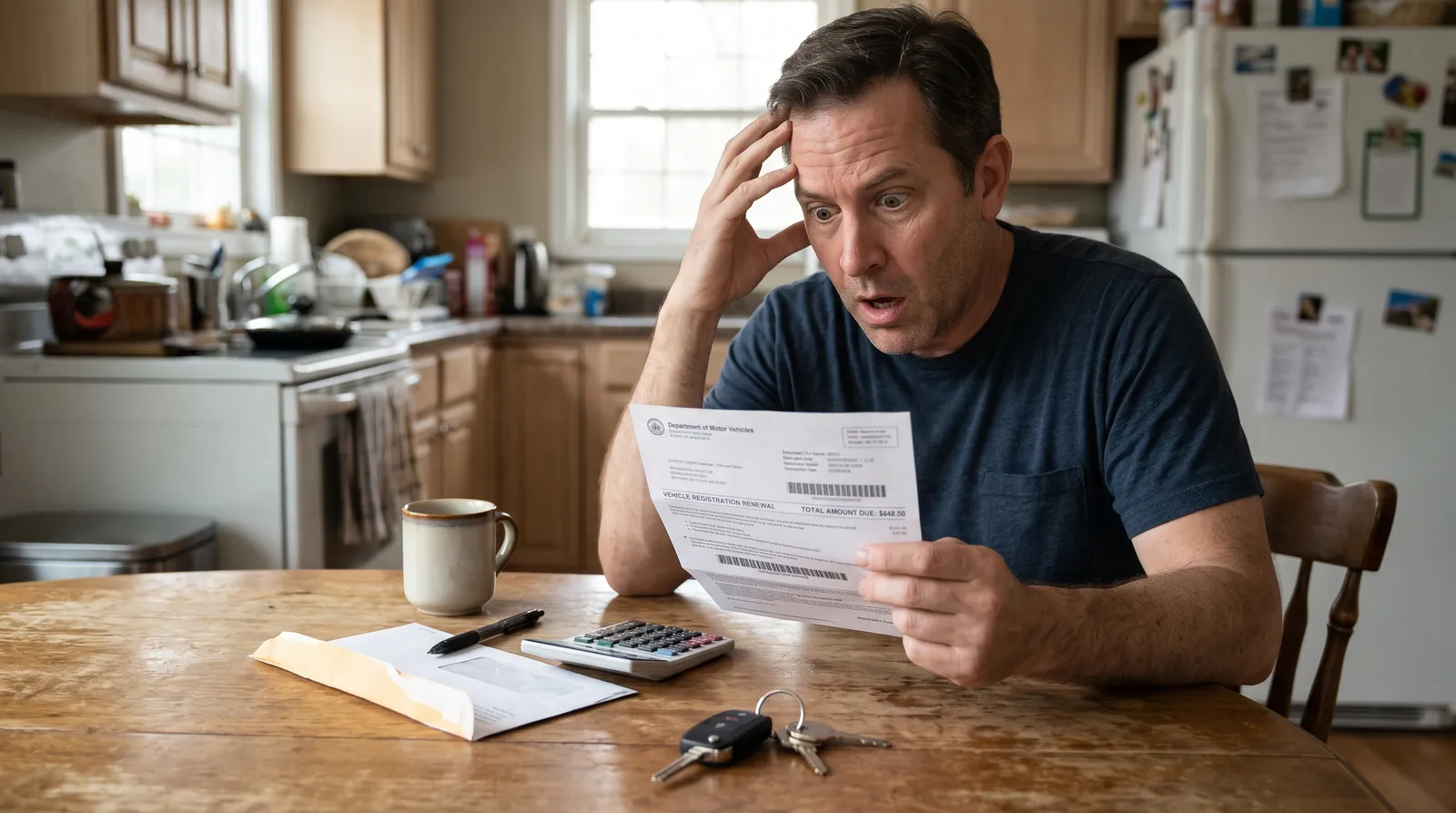
Because registration bills often include a value-based tax that works like property tax, plus weight, plate and local fees. Newer, pricier and heavier cars pay more, electric cars often pay an extra road fee, and some counties add their own charges. Older cars usually get cheaper each year in value-based states.
What's actually in a registration bill
The base registration fee is often the smallest part. Here are the pieces that commonly add up:
| Charge | What it's based on | Why it exists |
|---|---|---|
| Base registration fee | Flat amount, or vehicle type | Running the registration system |
| Value-based tax | The car's value or price, and its age | Replaces personal property tax in many states |
| Weight fee | The car's weight | Heavier vehicles wear roads more |
| Plate fee | Standard, specialty or personalized plate | Making and replacing plates |
| Local add-ons | County, city or transit district | Local roads, transit and services |
| EV or hybrid fee | Fuel type | Replacing gas tax that EVs don't pay |
| Inspection or emissions fees | Where you live | Air quality and safety programs |
When people say their car registration is so expensive, it's usually the value-based tax and the local add-ons doing most of the damage.
The big one: taxes based on your car's value
Many states don't charge an annual property tax on cars the way they do on houses. Instead, they collect it through registration. That's why a new luxury SUV can cost several hundred dollars a year to register while a 15-year-old sedan costs a fraction of that.
- California charges a vehicle license fee of 0.65% of the car's market value, on top of the registration fee, a California Highway Patrol fee and other charges. It's a tax in lieu of personal property tax, and the money goes to cities and counties. The DMV lowers the car's assessed value each year for its first 11 years, so the fee shrinks as the car ages.
- Colorado charges a specific ownership tax, also in place of property tax, based on the vehicle's value and age. The original taxable value is 85% of the manufacturer's suggested retail price, and the rate falls in later years.
So why is vehicle registration so expensive in these states? Partly because it's doing the job of a property tax bill. If you compare with a state that has a low flat fee, remember that state may tax cars another way, such as a separate personal property tax bill from the county.
Weight, type and plate fees
Heavier vehicles wear roads faster, so many states scale fees by weight. Pickups, large SUVs and vans often pay more than small cars for that reason alone. Colorado's registration fees, for instance, depend on the vehicle's empty weight and type. Plate choices add up too: specialty plates for a university or cause carry an annual donation, and personalized plates have their own yearly fee. Our custom plate guide lists some of those costs.
Why electric cars often cost more to register
Gas taxes pay for a large share of road maintenance, and electric cars don't buy gas. To make up the difference, many states now charge EV owners an extra annual fee. Texas is a clear example: fully electric cars and light trucks pay an extra $200 a year at renewal, and a new EV pays $400 up front for its first two-year registration. Hybrids, motorcycles and some other vehicles are exempt in Texas. Other states have their own amounts, and some charge hybrids a smaller fee too.
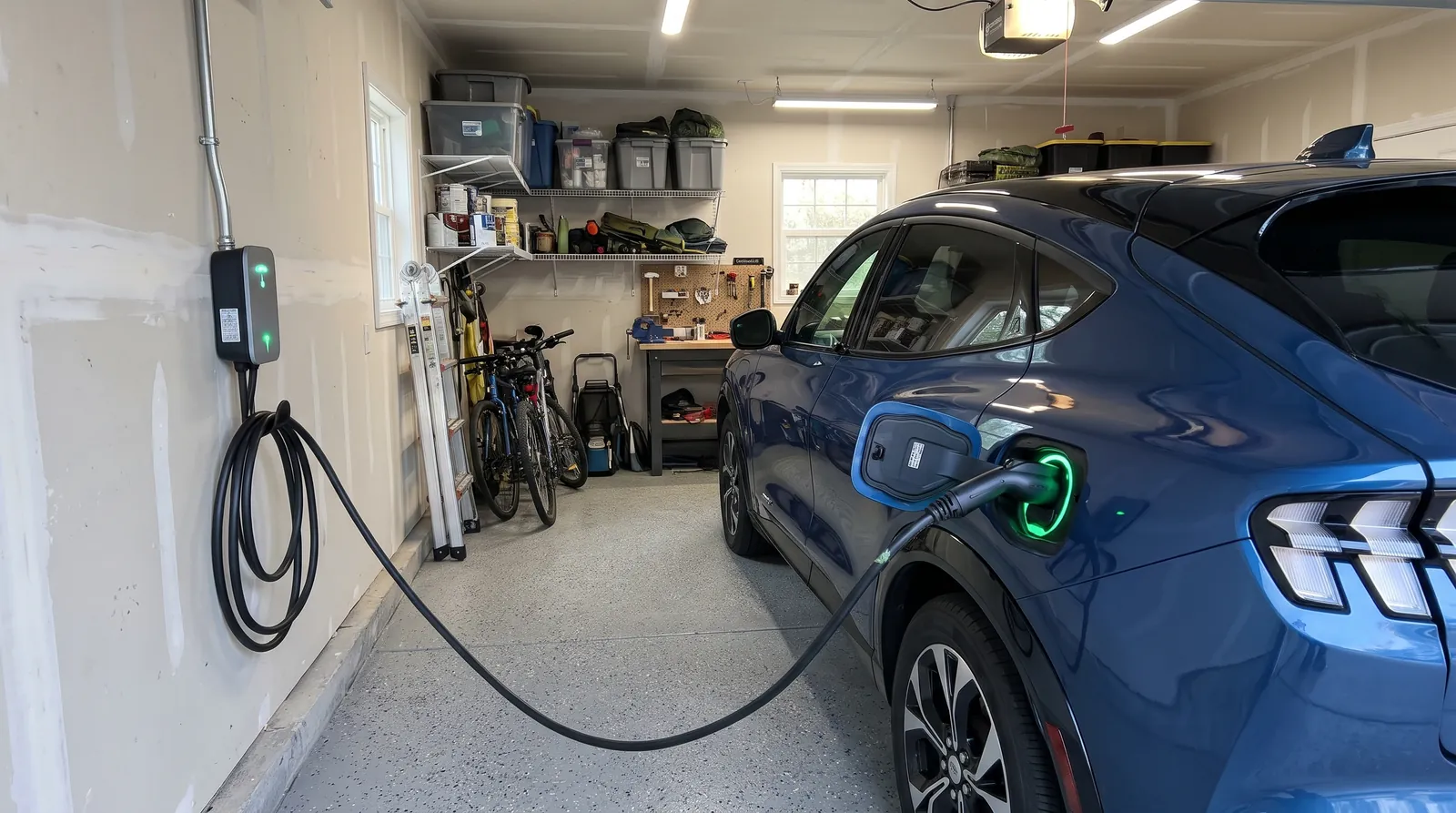
If you're comparing an EV with a gas car, add the registration fee to the running costs; over several years it can offset part of the fuel savings.
Local add-ons and where you live
Two neighbors in the same state can pay different amounts because they live in different counties. Counties, cities and regional transit districts often add their own fees to registration, for roads, transit or air quality programs. Moving across a county line can change your bill even if nothing else does. Emissions testing areas also add test fees, though those are paid separately in many places.
Why is my car registration so high this year?
If your bill jumped from last year, look for one of these:
- You changed cars. A newer or more expensive car raises value-based taxes.
- You moved. A new county may have local fees your old one didn't.
- The state raised fees. Legislatures adjust fees, and new ones, like EV fees, start on a set date.
- Late fees. Renewing after expiration usually adds a penalty.
- A plate change. Specialty or personalized plates add annual fees.
- A multi-year registration. Some states bill two years at once.
Why is my registration so expensive compared with my friend's? Different cars, counties and plates. Compare itemized notices line by line, not just the totals.
Why registering a car for the first time costs more
The first registration after you buy a car is usually the most expensive bill you'll see. On top of the normal registration charges, you'll often pay sales or use tax on the purchase price, a title fee, new plate fees, and in some states an inspection or VIN check. Sales tax alone can be several percent of the price. If you're budgeting for a purchase, include all of these. Our guide to what you need to register a car covers the full list, and our out-of-state buying guide explains how sales tax works when you buy across state lines.
How much does a registration cost?
There's no single number. Flat-fee states may charge well under $100 a year for an ordinary car, while value-based states can charge several hundred for a new, expensive vehicle. Illinois, for example, charges a flat standard passenger fee, while California and Colorado scale theirs with value and age. The best way to know your number is the state's own fee calculator or your renewal notice; many states publish an estimator online.
Trucks, motorcycles and trailers
Other vehicles follow the same logic. Pickup trucks and commercial vehicles often pay weight-based fees that rise steeply for heavier classes, and a truck used for business may need a commercial registration that costs more than a passenger one. Motorcycles usually cost less to register than cars, since they're lighter and often valued lower, though some states charge motorcycle safety program fees. Trailers range from a small one-time fee to an annual charge based on weight. If you own several vehicles, the total can surprise you even when each one seems cheap.
Leased cars: who pays?
On a lease, the leasing company is usually the registered owner, so the registration bill goes to them first. They pay it and pass the cost to you, either built into the monthly payment or as a separate charge, sometimes with a handling fee. Because leased cars are usually new, they also sit at the top of value-based tax schedules. Check your lease paperwork for how registration is billed so the charge doesn't come as a surprise.
Can you register in a cheaper state?
Not legally, if you don't live there. States require you to register a car where you reside, usually within 30 days or so of moving. Registering in a state with lower fees, or using a relative's address in another state, to avoid your home state's taxes is treated as fraud in many places. It can also void your insurance, since your policy is priced on where the car is kept. If you genuinely split time between two states, ask both agencies which one counts as your residence.
Ways to lower what you pay
- Renew on time. Late fees are the easiest charge to avoid.
- Check for exemptions. Many states reduce or waive fees for disabled veterans, active military stationed away from home, seniors or farm vehicles.
- Drop extras. A standard plate costs less than a specialty or personalized one.
- Use non-operation status for a car you won't drive for a while, where your state offers it.
- Deduct what you can. In some states the value-based part of registration may be deductible on federal taxes as a personal property tax; ask a tax professional.
- Factor it into your next car. In value-based states, an older or less expensive car costs less to register every year.
Comparing states fairly
Registration totals make for easy headlines, but they don't tell you which state is cheaper to own a car in. A state with a high registration bill may have no separate car property tax, low gas taxes or no inspection program. A state with a tiny registration fee may send you a personal property tax bill from the county, charge high sales tax at purchase, or require yearly inspections. If you're planning a move and wondering why is registering a car so expensive in the new state, add up registration, any car property tax, inspection costs and insurance before deciding it's a bad deal.
Insurance often matters more than registration, too. Rates vary a lot by state and even by ZIP code, and in many places they dwarf the registration bill. Our guide to insurance and registration explains what states require.
Where the money goes
It can help to know the money isn't just disappearing into the agency. Registration revenue typically funds road and bridge maintenance, highway patrol, local governments, transit, and the motor vehicle agency itself. California's vehicle license fee, for instance, goes to cities and counties. That's also why fees rise: road costs go up, and gas tax revenue per mile falls as cars get more efficient.
Registration cost FAQ
Why is registering a car so expensive?
Because the bill usually includes more than a registration fee. Many states add a tax based on the car's value, such as California's 0.65% vehicle license fee or Colorado's specific ownership tax, plus weight fees, plate fees, local add-ons and, for electric cars, extra road-funding fees.
Why is my car registration so high this year?
Common reasons are a newer or more valuable car, a move to a county with local fees, a new fee approved by the state, a specialty plate, or late fees added after expiration. Compare this year's itemized notice with last year's.
Do electric cars cost more to register?
In many states, yes. Texas, for example, charges an extra $200 a year when registering a fully electric car, or $400 for a new EV's first two-year registration, to make up for gas tax EV drivers don't pay.
Does registration get cheaper as the car ages?
In states with value-based taxes, usually yes. California lowers a car's assessed value each year for its first 11 years, and Colorado's ownership tax rate drops as the vehicle ages.
Sources
- California DMV: Registration related fees (FFVR 34)
- Colorado DMV: Motor vehicle registration fees
- TxDMV: Register your vehicle (electric vehicle fee)
This guide is general information. Fees change; your state's agency and renewal notice have the current amounts.