Grace Period for Car Registration: What Happens When Your Tags Expire
You glance at your plate and the sticker is last year's. Or the renewal notice never came. Is there a grace period for car registration, or are you already breaking the law? In most states, the registration expires on the date printed on it, and there's no official cushion. A few states give you a short window before a ticket. This guide explains how expiration works, what happens if you drive on expired tags, and what to do right now.
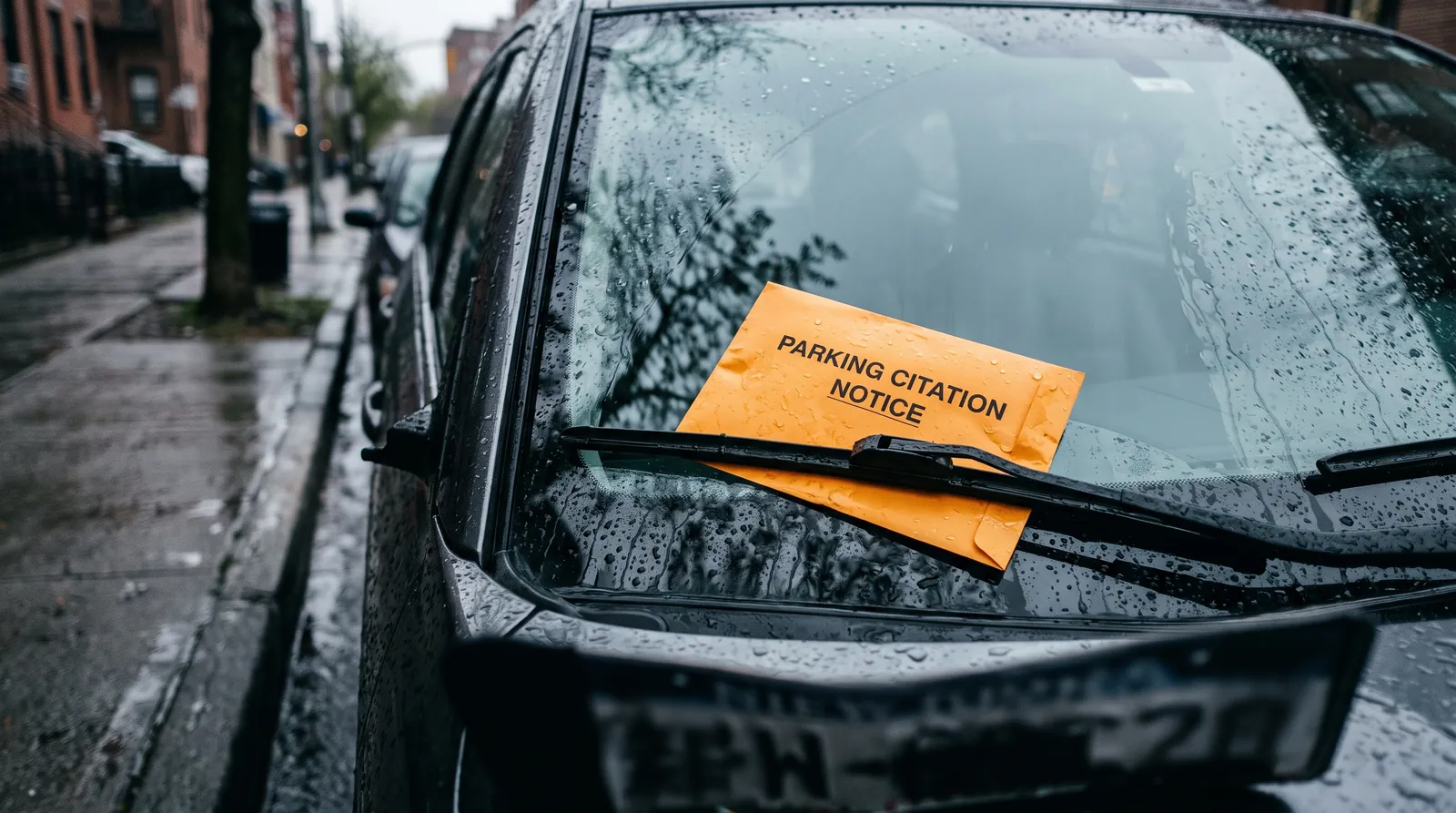
Most states have no grace period: the registration expires on the date shown, and late fees or tickets can follow. Texas waits until after the fifth working day before it's an offense. If you've already paid, carry the receipt. Renew as soon as you notice, online if you can.
When does a registration expire?
The expiration date is printed on your registration card and shown on the sticker, usually as a month and year. In most states the registration runs through the last day of that month. Some states tie it to something else:
- Florida ties most personal registrations to the owner's birthday; they expire at midnight on the first owner's birth date.
- Staggered systems in many states spread renewals across the year based on when you first registered.
- Multi-year registrations in some states run two years or more.
If you're not sure, the card is the authority, not the sticker color or your memory of when you last paid.
How to know if your license plate is expired
- Look at the sticker on your plate or windshield. The month and year show when the registration ends.
- Check the registration card in your glove box for the exact date.
- Use your state's online status check. Most agencies let you check registration status with your plate number and part of the VIN.
- Look for a renewal notice by mail or email; many states send one a month or two before expiration.
A sticker that's still on the plate but the wrong color for this year is the giveaway police look for. Our guide on license plate stickers explains how month and year stickers work.

Is there a grace period for car registration?
Usually not in the legal sense. The registration is valid until the date shown, and the day after, it's expired. What some states do have is a short window before police can write a ticket, or before a late fee is added. Those are different things from an extension, and they don't make the registration valid.
| State | After the registration expires |
|---|---|
| Texas | Driving with expired registration becomes an offense after the fifth working day past expiration. A ticket can be dismissed if you renew within 20 working days and before your first court appearance, usually with a small fee |
| Florida | Registration expires at midnight on the owner's birthday. The state's delinquent fee applies from the 11th day of the month after the renewal period |
| California | The DMV says there's no grace period for registration fees; late fees are based on the payment's postmark or date, so renewing on time matters |
| Colorado | A one-month grace period after the expiration date before late fees |
| Oklahoma | Service Oklahoma lists a 30-day grace period |
Florida's statute has also limited when officers can cite drivers for a birthday-based expiration, but treat that as a reason not to panic, not as permission to wait. Late fees still apply.
What happens if registration expires?
Several things can happen, and they get worse the longer it goes:
- A ticket. Driving with expired registration is a traffic offense everywhere, usually a fine. Some states let you get it dismissed by renewing quickly.
- Late fees. Most states add a penalty when you renew late, sometimes a flat fee, sometimes a percentage that grows each month.
- Towing. A car with long-expired tags parked on a public street can be ticketed and, in many cities, towed.
- A traffic stop that leads to more. An expired sticker is one of the most common reasons officers stop cars, and the stop can uncover other problems, such as a suspended license or lapsed insurance.
- Insurance questions. Most policies don't automatically lapse because registration expires, but some states tie the two together, and a claim on an unregistered car can get complicated.
If registration expires what happens to your plate? Usually nothing at first, but if it stays expired long enough, some states cancel the registration, and you may need to re-register the car instead of renewing.
Driving with registration expired: the risks
Driving with registration expired isn't a crime in most states, but the fines add up and a stop can go wrong. The risk isn't only the ticket; it's what the stop reveals and the time lost dealing with it. If your registration has expired, drive only as much as you have to until it's renewed, and keep proof that you've started the renewal.
How long after your tags expire can you drive? Legally, in most states, not at all without risking a ticket. In Texas, the law allows five working days before it's an offense. Anywhere else, assume the answer is zero and renew today.
Can I drive my car with expired tags but paid?
This is the most common situation: you renewed, but the new sticker hasn't arrived. The answer is usually yes, with proof:
- Texas: the receipt from an online renewal serves as temporary proof of registration for 31 days, according to the county tax offices.
- California: you may legally drive until your new stickers and registration arrive after a timely renewal, and if nothing comes within eight weeks, contact the DMV.
- Elsewhere: carry the payment confirmation, an emailed receipt or a printed temporary registration, and show it if you're stopped.
If you renewed after the expiration date, the proof shows you've paid but doesn't erase the days the registration was expired. Our guide on what to do when a sticker never arrives covers lost mail and replacement stickers.
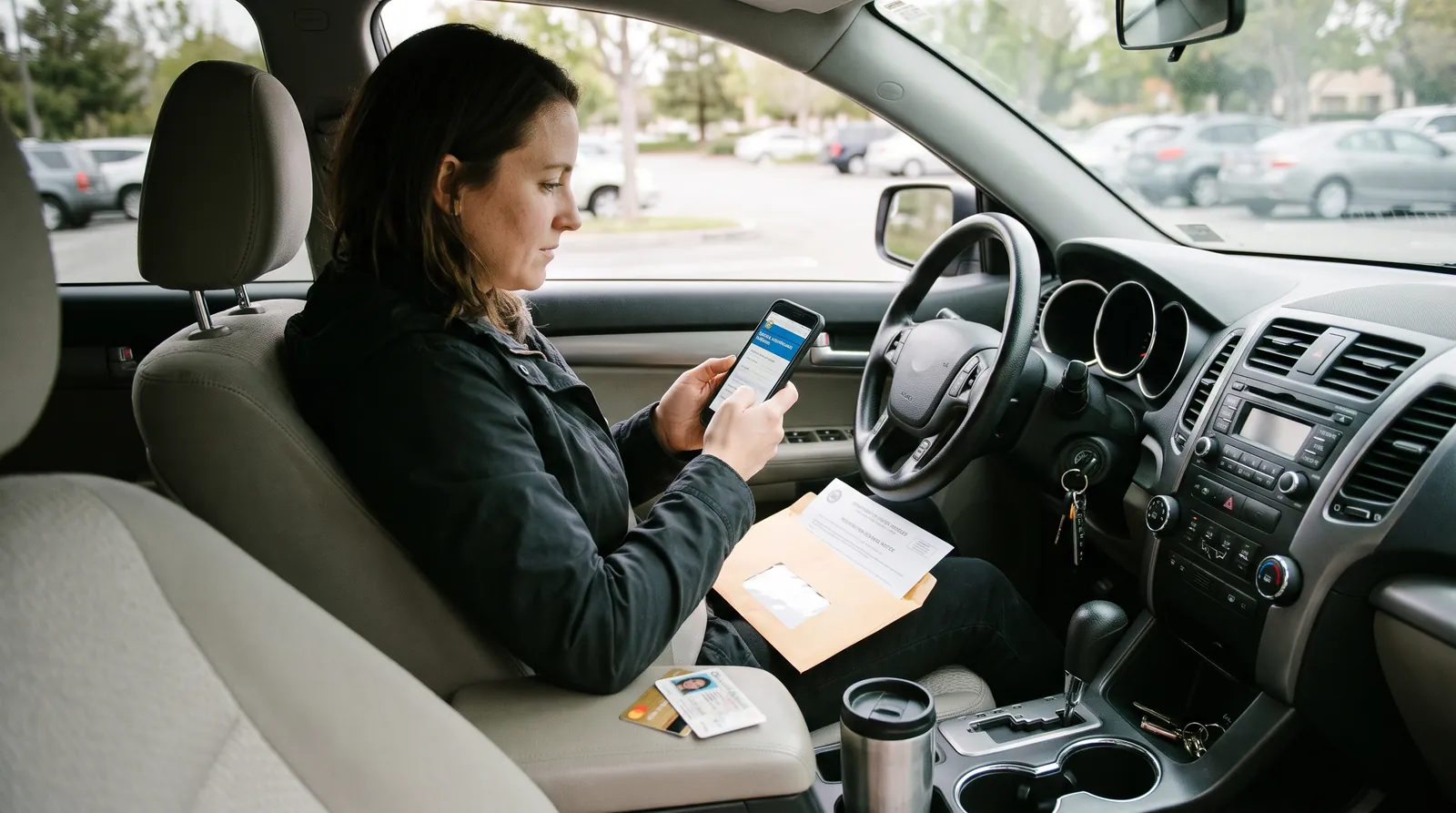
Grace period for registering a car you just bought
A grace period for registering a car after you buy it is a different question, and most states do give one. You usually have a set number of days to transfer the title and register the car in your name, often 10 to 30 days, while you drive on a temporary tag or permit. New residents also get a window, often 30 days or more, to register an out-of-state car. Our guides on registering a car for the first time and buying a car from out of state list deadlines for several states.
Expired temporary tags
Temporary tags from a dealer expire too, and the rules are often stricter, since they're meant only to cover the time until permanent plates arrive. If your dealer tag is about to expire and you don't have plates, call the dealer right away. The dealer is usually responsible for filing the title and registration, and may be able to issue a second temporary tag or tell you where the paperwork is stuck. Don't keep driving on an expired paper tag hoping the plates show up; that's the same offense as an expired registration, and police watch paper tags closely because of fraud.
Military, students and owners away from home
If you're deployed, stationed in another state or studying away from home, your registration can expire while you're gone. Many states have special rules for active military, such as extensions or the right to renew late without penalty after returning, but the details differ. Renew online before you leave if you can, sign up for email reminders that reach you wherever you are, and keep your registration address current. If you come home to an expired registration, ask the agency about military exemptions before you pay late fees.
Expired tags on a car you're not driving
If a car sits in your driveway or garage, an expired registration is usually not an offense by itself, as long as the car isn't driven or parked on a public street. Some states still charge back fees when you eventually renew, unless you file for non-operation or cancel the registration first. California's Planned Non-Operation is one example: you file it before the registration expires, pay a small fee, and avoid full renewal fees while the car is off the road. If you think a car will sit for a while, look into that option before the expiration date, not after.
If you've already been ticketed
Read the ticket for a correction or dismissal option. Many states and courts dismiss or reduce an expired registration ticket if you renew within a set time and show proof, sometimes for a small administrative fee. Texas does this when you renew within 20 working days and before your first court appearance. Renew first, then follow the instructions on the ticket or the court's website, and keep copies of everything.
How to renew expired registration
- Check for holds. Unpaid tickets, tolls, an emissions test or a lapsed insurance policy can block renewal.
- Renew online if your state allows it after expiration. Most do for a short time; long-expired registrations may need an office visit.
- Pay the late fee with the renewal.
- Print or save the receipt and keep it in the car until the sticker arrives.
- Put the new sticker on as soon as it comes, and throw the old card away.
Our registration renewal finder links to each state's official renewal page, so you avoid third-party sites that add fees.
Selling or buying a car with expired registration
You can usually sell a car with expired registration, because the title, not the registration, proves ownership. The buyer then registers it in their name and may have to pay the back fees or late penalties, depending on the state. Tell the buyer up front, and don't let them drive away on your expired plates. If you're the buyer, ask the seller whether there are unpaid fees, tickets or an emissions problem behind the lapse; those can turn into your problem at the counter. Arrange a trailer or a transit permit if the car can't be driven legally to your home.
How to avoid expired tags in the future
- Sign up for email or text renewal reminders, which most states offer.
- Keep your address current so notices reach you; see our guide to changing your registration address.
- Put the expiration date in your phone's calendar with a reminder a month before.
- Renew early. Most states let you renew a month or more ahead without losing time.
Expired registration FAQ
Is there a grace period for car registration?
In most states, no: registration expires on the date shown and late fees or tickets can follow right away. A few states give a short window before a ticket. Texas, for example, doesn't make it an offense until after the fifth working day past expiration.
What happens if registration expires?
You can be ticketed for driving with expired tags, you'll usually owe a late fee when you renew, and in some cases the car can be towed if it's long expired or parked on a public street. Insurance usually still applies, but check your policy.
Can I drive my car with expired tags but paid?
Often, if you carry proof. Texas says the receipt from an online renewal serves as proof for 31 days, and California lets you drive while waiting for mailed stickers after a timely renewal. Keep the confirmation in the car.
How do I know if my license plate is expired?
Check the month and year on your sticker or registration card, or use your state's online registration status check with your plate number.
Sources
- Texas Transportation Code 502.407 and Travis County Tax Office: Vehicle FAQ
- FLHSMV: Motor vehicle registrations and Florida Statutes 320.07
- California DMV: Registration renewal FAQs
This guide is general information, not legal advice. Your state's laws set expiration dates, late fees and penalties.