What Can Someone Do With Your License Plate Number?
Your plate number is on display every time you drive or park, so it's natural to wonder what can someone do with your license plate number if they write it down. The good news: much less than most people fear, because federal law protects the owner information behind it. The bad news: a few real risks exist, mainly fake plates copied from yours. This guide explains what a plate reveals, who can see more, and how to protect yourself.
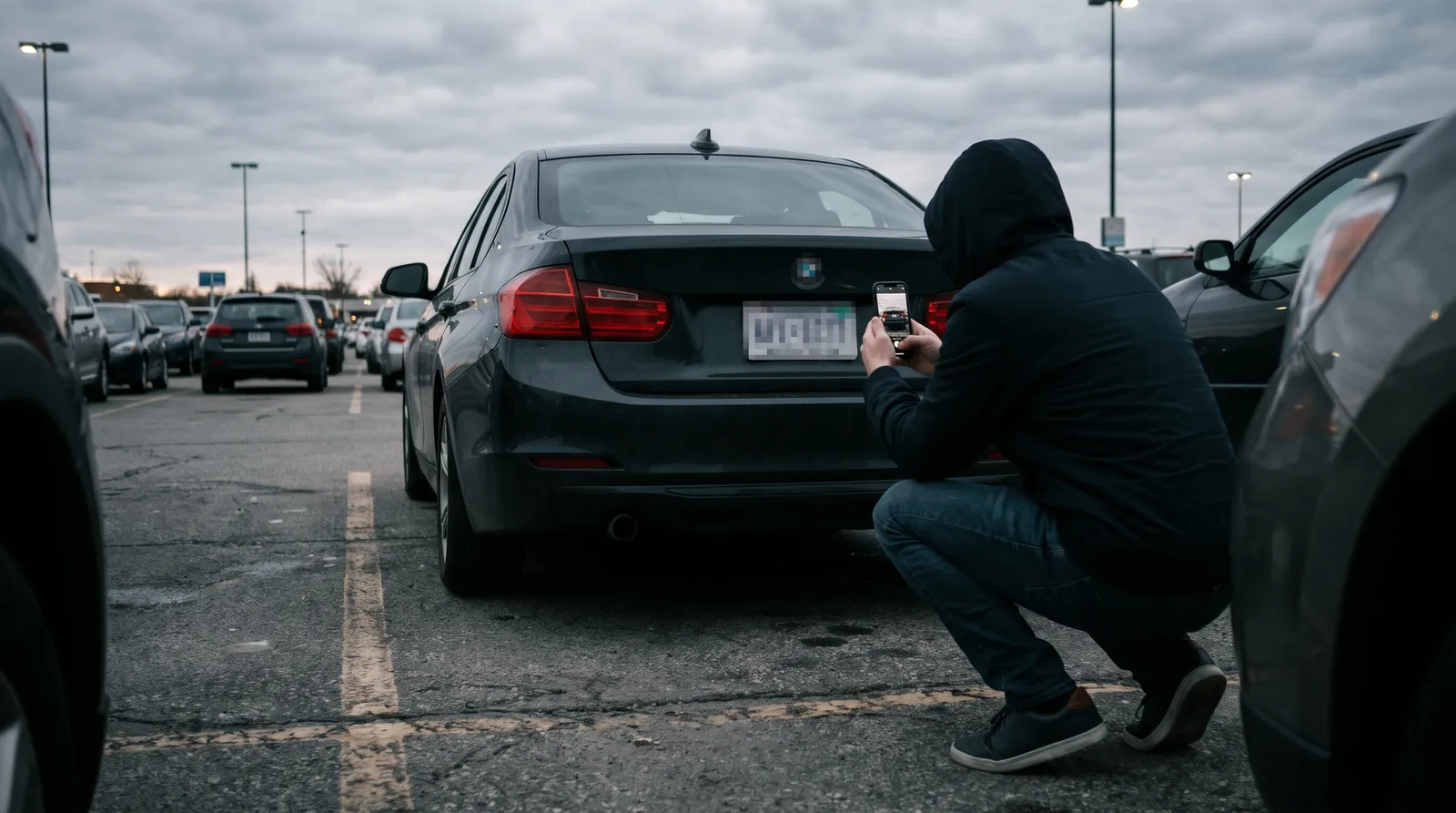
On their own, very little. The Driver's Privacy Protection Act bars state agencies from releasing your name and address to the public. Someone with your plate number can report your car, see basic vehicle details, or, the real risk, put a copy of your number on another car. Watch for unexpected tolls and tickets.
Why your plate doesn't lead straight to you
The plate number links to your registration record, which holds your name and address. But since the 1990s, the federal Driver's Privacy Protection Act has barred state motor vehicle agencies from handing that personal information to the public. It can only be released for specific purposes listed in the law, such as law enforcement, insurance claims, court cases and a few business uses. A curious stranger, an angry driver or an ex doesn't qualify.
The law also has teeth. A person who knowingly gets or uses protected information for a purpose the law doesn't allow can be sued by the person whose data was misused, with damages of at least $2,500 under the statute, and can face criminal fines. Our license plate lookup guide explains the permitted uses in plain English, along with each state's request form.
What can a person do with your license plate number?
Here's what's realistic, from harmless to harmful:
| Action | Possible? |
|---|---|
| Report your car to police for a crash, hit-and-run or reckless driving | Yes, and police can look up the owner |
| Give it to an insurer after a crash | Yes; insurers have a permitted use |
| Find the vehicle's make, model and year | Often, through vehicle data services |
| Get your name and home address from the state | Not without a permitted use |
| Copy your number onto a fake plate | Yes, illegally; this is the main real risk |
| Post a photo of your plate online | Yes, though it reveals little by itself |
So what can people do with your license plate number in practice? Mostly report you if you did something wrong on the road, which is exactly what the system is for.
What information can you get from a license plate?
For an ordinary person with no permitted use, the answer is: the vehicle, not the owner. A plate tells you the state that issued it and sometimes the plate type, such as a specialty or commercial plate. Some commercial services can match a plate to a vehicle's make, model, year and VIN, and from the VIN, a title and accident history. None of that should include the owner's name, address or phone number.
Insurers, lawyers in active cases, licensed private investigators in many states, towing companies dealing with an abandoned car, and government agencies can request more, but they have to state a lawful purpose and are accountable for how they use it.
Can you get someone's address from their license plate?
Not legally, for most people. Many websites suggest they can find an owner from a plate, but they can't get personal information from the state for an ordinary member of the public. What they usually sell is vehicle data, or guesses pulled from other public records that may have nothing to do with the plate. Paying for one of these reports to find someone is a waste of money at best and, if it leads to harassment, can expose you to legal trouble.
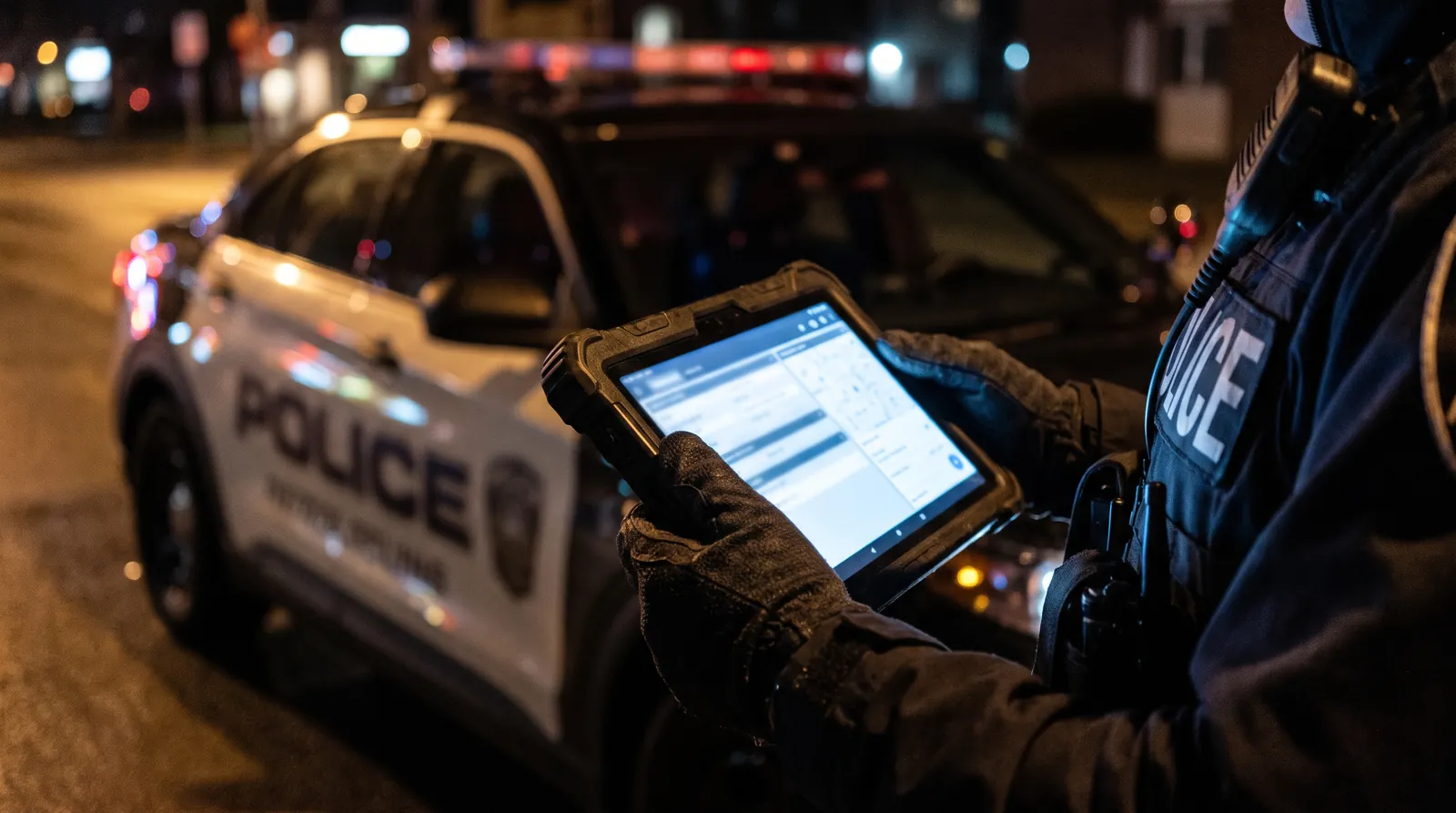
If you have a legitimate reason, such as a car that hit yours and drove off, report it to police and your insurer. They can identify the owner lawfully, and that's the route that leads to an actual claim.
Can someone track you with your plate number?
A stranger can't type your plate into a system and see where you are. Real-time tracking by plate is limited to automated license plate readers, cameras that photograph plates and record the time and place. Police agencies use them, and so do some private companies, such as repossession firms and parking operators. Those records can show where a car has been, but access is controlled by the agencies and companies that run them, and many states limit how long the data is kept and who can see it.
For an ordinary person, the realistic tracking risk is low-tech: someone who already knows your car following it, or noticing where it parks. If you think someone is following you or watching your car, call the police rather than confronting them.
Who already has your plate number
More places record your plate than you might think, and most of them do it for ordinary reasons:
- Toll systems photograph plates to bill drivers without a transponder.
- Parking garages and lots often use plate cameras instead of tickets.
- Apartment complexes and HOAs keep plate lists to manage resident parking.
- Car washes, oil change shops and dealers record plates with service records.
- Employers and schools may register plates for parking permits.
None of these can get your address from the state through your plate; they know it because you gave it to them or because the bill goes to your registration. If you're worried about how a business uses that data, ask for its privacy policy.
The real risk: plate cloning
The most serious thing someone can do is make a fake plate with your number and put it on a similar car. That's called plate cloning, and it's illegal everywhere. People do it to dodge tolls, speed cameras, parking fines or police attention, or to hide a stolen car. The bills then come to you, because cameras read the plate and the plate leads to your registration.
Signs your plate may have been cloned:
- Toll bills for roads you've never driven.
- Camera tickets from places or times you weren't there.
- Parking tickets in a city you didn't visit.
- A police stop where the officer says your plate was flagged.
What to do if your plate is cloned
- Report it to police and get a report number.
- Dispute every bill with the toll agency or city, sending the report number and photos of your car showing differences such as color, model or damage.
- Contact your state agency and ask whether it will issue a new plate number. Many will for cloning or theft.
- Keep records of where you were, such as receipts or phone location history, for the dates in question.
Our guide on getting a new license plate covers replacement plates and fees.
Stolen plates and stickers
Physical theft is more common than cloning. Thieves take plates to use on other cars, and some take only the current registration sticker. If your plate or sticker disappears, report it to police right away and then to your state agency for replacements. A police report protects you if the plate turns up on a car involved in a crime. Tamper-resistant screws make theft harder; our guide on how to put on a license plate covers them, and the license plate sticker guide explains replacements.
Scams that use your plate number
A plate number lends credibility to scams. Watch out for:
- Fake toll or parking texts that mention your plate and ask you to pay through a link. Toll agencies and cities don't usually text payment links out of the blue. Go to the official site yourself, never the link.
- Notes on your windshield claiming you hit someone's car, with a number to call. Check your car and call your insurer, not the number, if you're unsure.
- Calls claiming to be from the DMV about a problem with your plate. Hang up and call the agency on its published number.
If someone threatens you after writing down your plate
Road rage incidents and parking disputes sometimes end with someone pointing at your plate and saying they'll find you. In most cases it's an empty threat, for the reasons above. Still, take it seriously if it worries you:
- Don't engage. Drive to a public, busy place or a police station if you're followed.
- Write down their plate, car and a description, and the time and place.
- Report the incident to police, especially if there was a threat or damage.
- Tell your insurer if the other driver claims you caused damage.
If someone does manage to get your personal information from a motor vehicle record and uses it to harass you, the Driver's Privacy Protection Act gives you the right to sue. Keep every message and record of contact; a lawyer can tell you whether you have a claim.
Posting your car online
Photos of your car with the plate visible appear in sales listings, social media posts and car forums. The plate alone doesn't reveal your address, but combined with the background of a photo, like your house or street, it can tell someone where the car lives. When you post a car for sale or show it off, blur the plate and avoid photos that show your house number. It's a small habit that removes the easiest link between your car and your home.
When you sell your car
In many states the plates stay with the seller. If yours do, take them off before the buyer drives away, so tolls and tickets don't land on you. If plates go with the car in your state, file your release of liability or notice of sale right away, so the record shows the date you stopped being the owner.
Protecting your plate: a checklist
- Use tamper-resistant screws.
- Check toll and ticket notices against where you actually were.
- Blur your plate in online photos.
- Never pay a plate-related bill through a text message link.
- Report stolen or cloned plates to police and your state agency right away.
- Take your plates off, or file a release, when you sell.
License plate number FAQ
What can someone do with your license plate number?
Not much on their own. Federal law stops state agencies from giving your name and address to the public. A stranger can report your car to police, look up the vehicle's make and model, or in rare cases copy the number onto a fake plate, which is the main real risk.
Can you get someone's address from their license plate?
Not legally, unless you have a permitted use under the Driver's Privacy Protection Act, such as an insurance claim, a court case or a licensed investigator's work. Websites that promise an owner's address from a plate can't get it from the state for an ordinary member of the public.
What information can you get from a license plate?
Without a permitted use, usually only vehicle details: the state, and sometimes the make, model, year and VIN-based history. Owner names, addresses and phone numbers are protected personal information.
What should I do if my plate is cloned?
Report it to police, keep the report number, dispute any tolls or tickets with photos showing the car isn't yours, and ask your state agency about issuing a new plate number.
Sources
- 18 U.S.C. 2721: Prohibition on release of personal information from motor vehicle records
- 18 U.S.C. 2724: Civil action
- FTC: Consumer alerts on text message scams
This guide is general information, not legal advice.