What Is a Clean Car Title? Clean vs Salvage, and How to Check
Used car ads love the words "clean title," and for good reason: it's one of the first things a smart buyer asks about. What is a clean car title, exactly? It's a title with no brand on it, meaning the state has no record of the car being written off, flooded or rebuilt. This guide explains what clean means, the brands that make a title not clean, how to check a title yourself, and what changes for RVs and other vehicles.
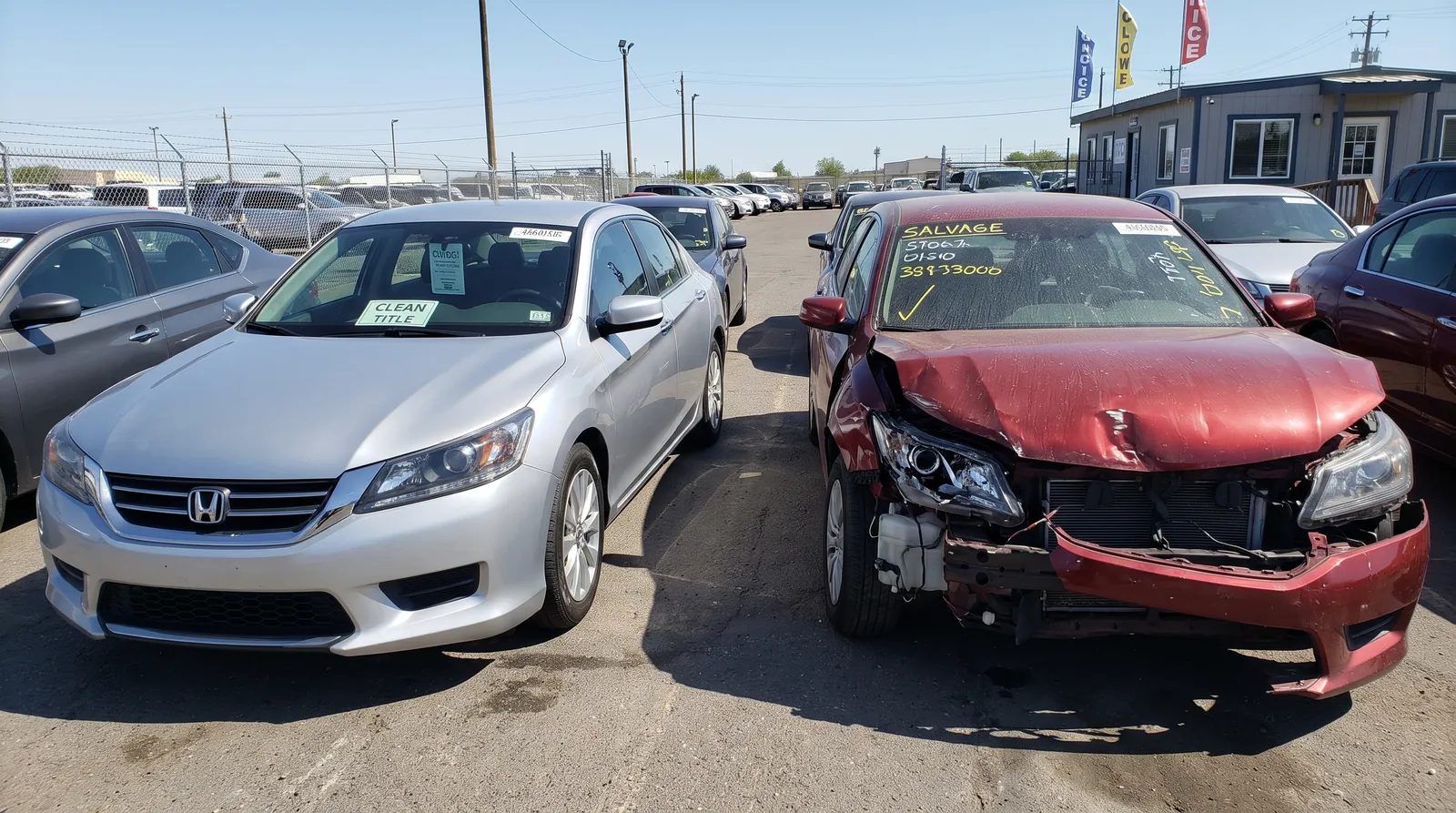
A clean title has no brand, such as salvage, rebuilt, flood or junk. To tell if a title is clean, read the title for brand words and run the VIN through an NMVTIS report or your state's title check. "Clean" is about history, not loans: a clean title can still list a lienholder.
What is clean title, in plain terms?
Every vehicle title records the owner and the vehicle. Some also carry a brand, a word or phrase the state prints on the title to flag the car's history. A brand might say the car was declared a total loss by an insurer, was damaged in a flood, was rebuilt from salvage, or was bought back by the manufacturer under a lemon law. A clean title is simply one with none of those brands.
What's a clean title not? It isn't a guarantee that the car is in good condition. A car with a clean title can still have hidden damage that was never reported to an insurer, a worn-out engine, or a rolled-back odometer. Clean means the state's records don't show a branded event. That's valuable information, but it's not a mechanical inspection.
It also doesn't mean "free and clear." People sometimes use "clean title" to mean a title with no loan on it. Technically, a title with a lienholder listed can still be clean; the lien is about money owed, not the car's history. If a seller says "clean title," ask both questions: is it unbranded, and is the lien released?
The brands that make a title not clean
Each state sets its own brands and definitions, so the exact wording varies. The common ones:
| Brand | What it usually means | Can it be driven? |
|---|---|---|
| Salvage | Damaged badly enough to be declared a loss, often by an insurer | Not until it's repaired, inspected and retitled |
| Rebuilt or reconstructed | A salvage vehicle that was repaired and passed inspection | Yes, but the brand stays |
| Nonrepairable or junk | Good only for parts or scrap | No, never |
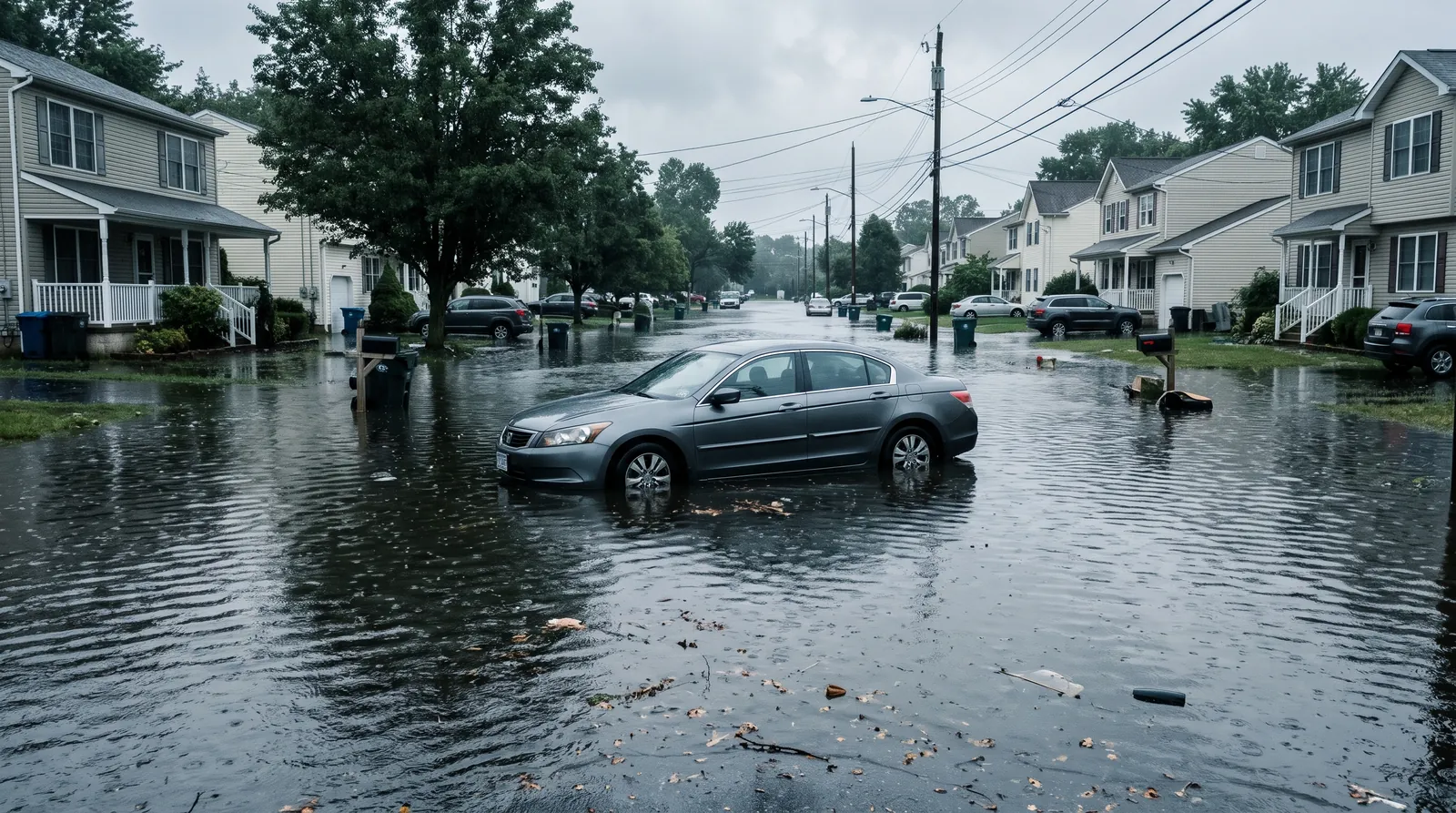
| Flood or water damage | Damaged by water, in states that use this brand | Depends on the state and damage |
| Lemon or manufacturer buyback | Bought back by the maker over defects | Usually yes |
Texas gives a clear example of how the definitions work. TxDMV calls a vehicle salvage when it has been damaged, or is missing a major part, so that repairs would cost more than its actual cash value before the damage. A salvage vehicle there can't be registered or driven until it passes a Texas safety inspection and gets a title branded "Rebuilt Salvage." A nonrepairable vehicle is so badly damaged that its only value is in parts or scrap, and it will always carry that brand.
Other states use different thresholds. Some brand a car salvage when damage reaches a set percentage of its value, which can be lower than 100 percent, so a car that's salvage in one state might not be in another.
How to tell if a car has a clean title
Checking takes three steps, and the first two are free or cheap.
- Read the title itself. Look on the front for brand words, often printed in a box or across the top: salvage, rebuilt, reconstructed, flood, junk, nonrepairable, buyback. Some states print the brand in large letters; others use a small code. If you don't see anything, check the state's sample title to learn where brands appear.
- Run the VIN through NMVTIS. The National Motor Vehicle Title Information System is the federal database that pulls title records from state agencies and reports from insurers, junk yards and salvage yards. Reports come from approved providers listed on the official vehiclehistory.gov site and cost a few dollars.
- Check with the state. Many states have their own title check. Texas, for example, offers a Title Check that uses NMVTIS data. A state record can show the current title's brands and whether there's an open lien.
How do you know if a title is clean when the seller only has a photo of it? You don't, really. Ask to see the original title in person, compare the VIN on it with the VIN on the car, and check that the seller's name matches their ID.
Title checking: why the federal database matters
Title checking through NMVTIS is the best defense against "title washing," the practice of moving a branded car to a state with looser rules and getting a new title without the brand. Brands can sometimes drop off when a car is retitled in another state, but NMVTIS keeps the history of brands any state has applied. A report that shows a salvage brand in one state, followed by a clean title in another, is a red flag.
NMVTIS isn't perfect. It doesn't contain everything a state keeps in its records, and not every flood or accident gets reported. Treat a clean NMVTIS report as one good sign, not proof.
How to tell if a title is clean in person
When you're standing next to the car with the seller, a few things are worth checking beyond the brand box:
- The VIN matches. Compare the VIN on the title with the dashboard and door jamb. Our guide on where to find the VIN shows the usual spots, and the VIN decoder confirms the year and model.
- The title is original. Duplicates are normal, but a duplicate issued very recently, just before a sale, is worth asking about.
- No alterations. Erasures, white-out or mismatched print can void a title and may hide a brand.
- The issuing state makes sense. A car that has lived in one state but has a fresh title from another may have been washed.
How can I check if a car title is clean if the car is out of state? The same tools work. NMVTIS covers every state, and our guide on buying a vehicle from out of state covers inspections and paperwork.
Salvage title RV: what changes for motorhomes and trailers
RVs get branded too. A motorhome is a titled motor vehicle, so when an insurer declares one a total loss after a crash, fire, hail or flood, it gets a salvage brand like a car would. Many states also brand travel trailers and fifth wheels, though rules for trailers vary more, and lighter trailers may not be titled at all in some states.
Salvage title RVs are tempting because they're much cheaper, but they come with extra risks. Water damage is the big one: an RV's wooden framing and wiring can rot or corrode long after the outside looks fine. Financing and insurance are harder to get, and resale value stays low even after a rebuild. If you're considering one, have it inspected by an RV technician, not just a car mechanic, and check what your state requires before a rebuilt RV can be registered again.
Questions to ask a seller about the title
A short conversation before you look at the car can save a wasted trip. Ask these, and compare the answers with what you find on the title and in the reports:
- Is the title in your name, and do you have it with you?
- Has the car ever been in a flood, a fire or a crash that an insurer paid out on?
- Is there a loan on it, and has the lien been released?
- Which states has it been titled in?
- Can I take it to a mechanic of my choice before buying?
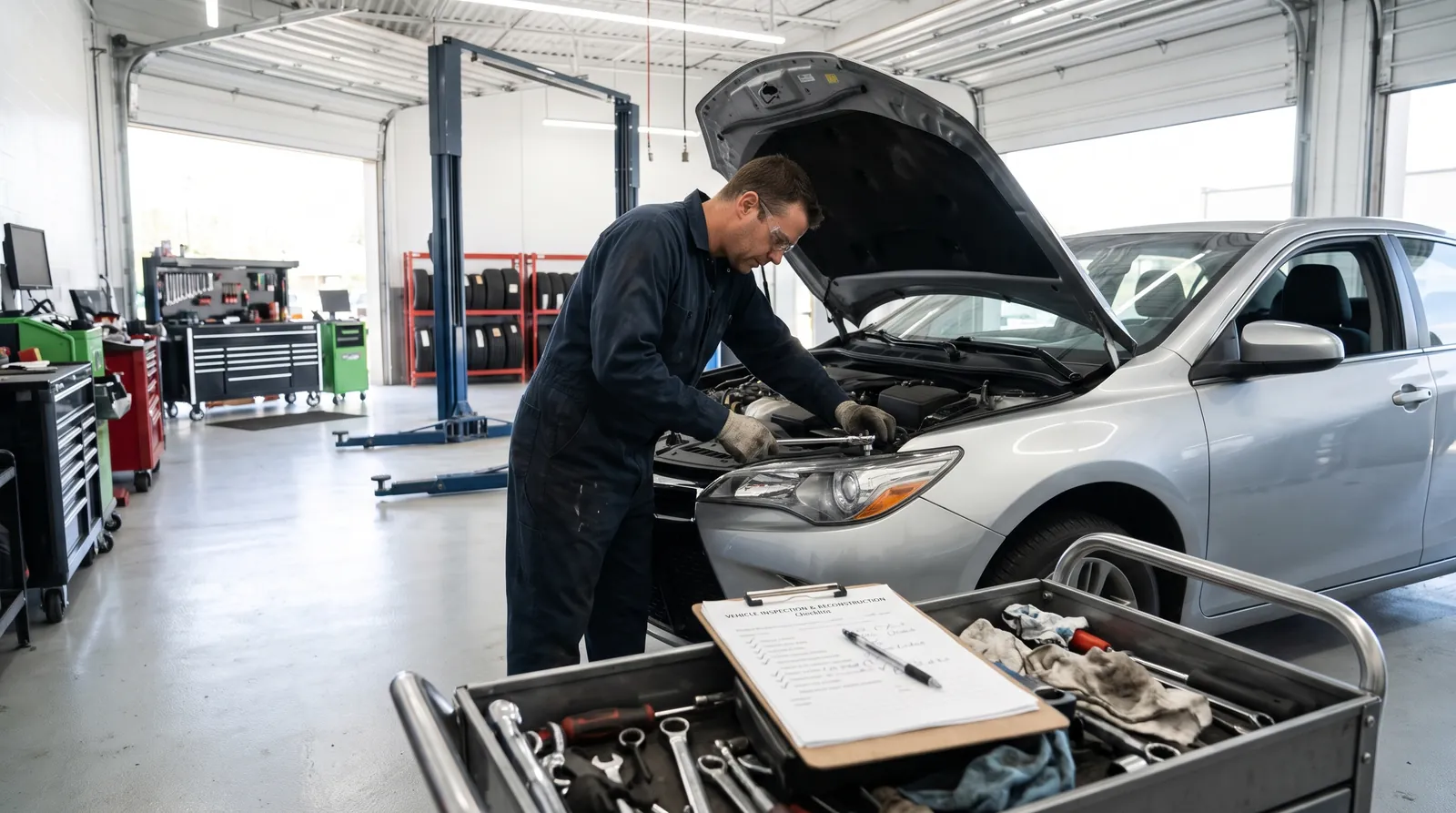
A seller with a genuinely clean title is usually happy to answer. Hesitation about any of these, especially an inspection, tells you something. If the answers check out, a pre-purchase inspection is the last step: it finds what neither the title nor a history report can, such as frame repairs or water lines behind the trim.
Is a rebuilt title as good as a clean one?
No, at least not for value. A rebuilt car has passed the state's inspection and can be driven, but the brand stays on the title for good. Rebuilt cars usually sell for much less than the same car with a clean title, some lenders won't finance them, and some insurers limit coverage. A well-repaired rebuilt car can still be a good deal if you plan to keep it, have it inspected first, and pay a price that reflects the brand.
What is a corrected title?
A corrected title is a new title the state issues to fix an error on the old one, such as a misspelled name, a wrong VIN digit or an incorrect odometer entry. It isn't a brand and doesn't make a title less clean. Wisconsin, for example, uses a statement-of-intent form for owners who need a corrected title after a mistake in the buyer, lien, odometer or VIN fields. Never fix a title yourself with white-out or by crossing things out; states reject altered titles.
Is a certificate of origin the same as a title?
No. A manufacturer's certificate or statement of origin is the document a new vehicle has before it's ever titled. Virginia describes it as the first record of the vehicle's existence. When a dealer sells a new car, the certificate of origin goes to the state, which issues the first title. You'll rarely see one unless you buy a new vehicle directly from a manufacturer, build a kit car, or buy a new trailer or off-road vehicle. A new vehicle's first title is clean, since it has no history yet.
Selling a car with a branded title
Most states require you to disclose a brand when you sell, and the brand is printed on the title the buyer receives anyway. Hiding it can lead to a fraud claim. Say it in the ad and on the bill of sale, and price the car accordingly. If you're the buyer and the seller didn't mention a brand you found later, keep the ad and the paperwork, and contact your state's consumer protection office.
Clean title FAQ
What is a clean car title?
A title with no brand, meaning the state has never recorded the vehicle as salvage, rebuilt, flood-damaged, junk or a similar category. A clean title can still show a lien; clean refers to the vehicle's history, not to whether a loan is paid off.
How can I check if a car title is clean?
Read the face of the title for brand words, then run the VIN through an NMVTIS report from an approved provider listed on vehiclehistory.gov, or your state's title check. NMVTIS keeps brands applied by any state, which helps catch titles washed by moving a car between states.
What is a salvage title?
A brand for a vehicle that was damaged badly enough to be declared a loss. In Texas, for example, a vehicle is salvage when the cost to repair it is higher than its actual cash value before the damage. It must be repaired and inspected before it can get a rebuilt title and be driven.
Can an RV have a salvage title?
Yes. Motorhomes are titled like other motor vehicles, so a motorhome declared a total loss gets a salvage brand. Many states also brand travel trailers and other titled RVs, though the rules for trailers vary by state.
Sources
- U.S. Department of Justice, NMVTIS: Understanding a vehicle history report
- TxDMV: Salvage and nonrepairable vehicle definitions (VTR-441)
- Wisconsin DMV: Statement of intent for a corrected title
- Virginia DMV: Manufacturer's certificate of origin
This guide is general information. Each state defines its own title brands; check with your state's motor vehicle agency.